UN
UN
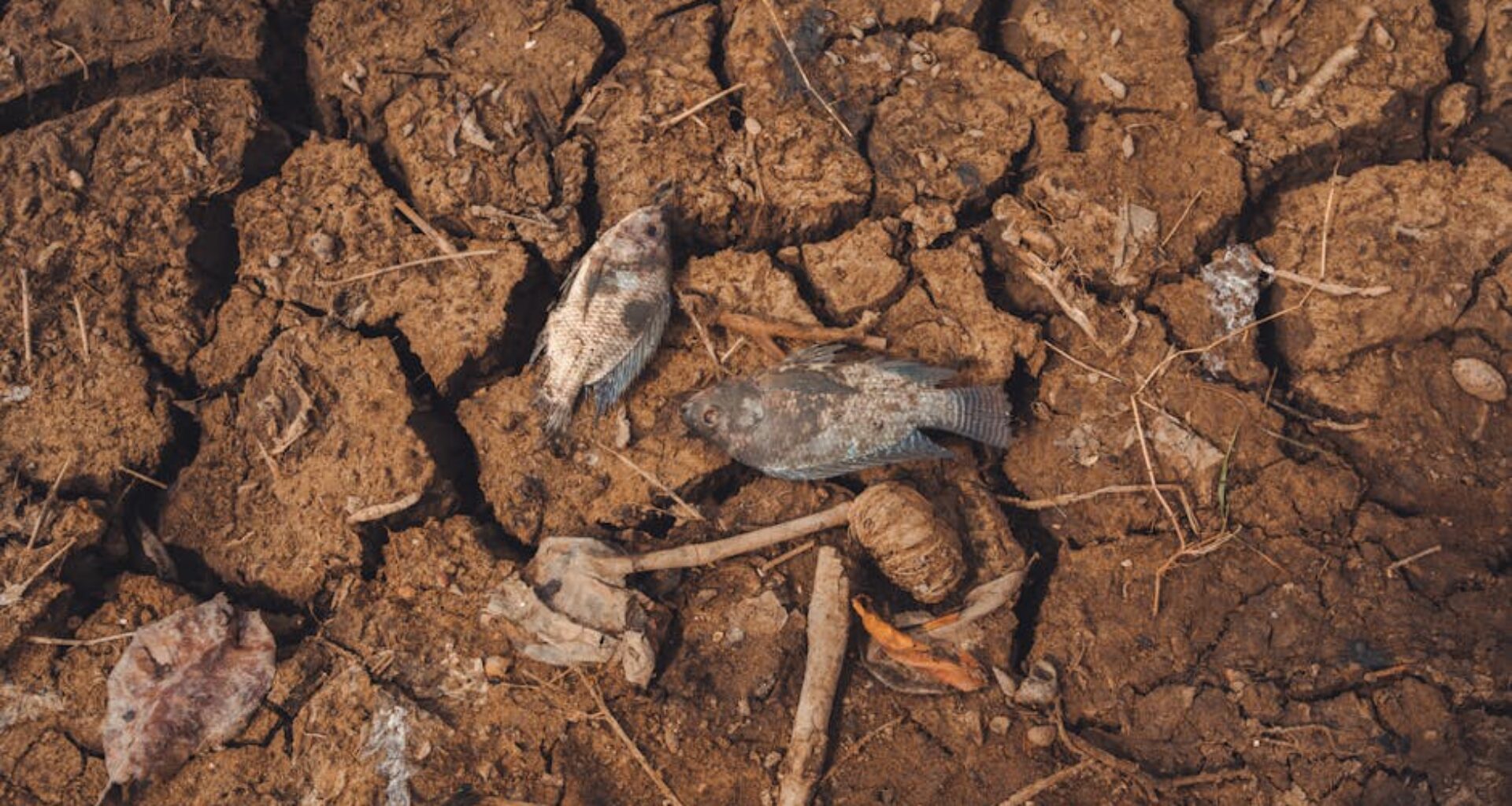
The latest United Nations Food and Agriculture Organization (FAO) report reveals a significant decline in global hunger rates, with the proportion of undernourished people dropping to 7.8% in 2025 from 9.1% in 2020. This progress is attributed to expanded social protection programs, improved agricultural productivity, and increased international aid. However, the report cautions that food insecurity remains a critical issue in conflict-affected regions and areas vulnerable to climate change.
Experts emphasize that while reductions in hunger are promising, persistent inequalities and disruptions caused by extreme weather events threaten further progress. The FAO calls for renewed investments in resilient agricultural systems and inclusive policies targeting smallholder farmers, women, and marginalized communities.
Global initiatives like the UN’s Zero Hunger Challenge continue to play a pivotal role in aligning stakeholders to address malnutrition and enhance food sustainability. Policymakers are urged to prioritize integrated approaches combining emergency relief with long-term development to achieve Sustainable Development Goal 2: Zero Hunger by 2030.