UN
UN
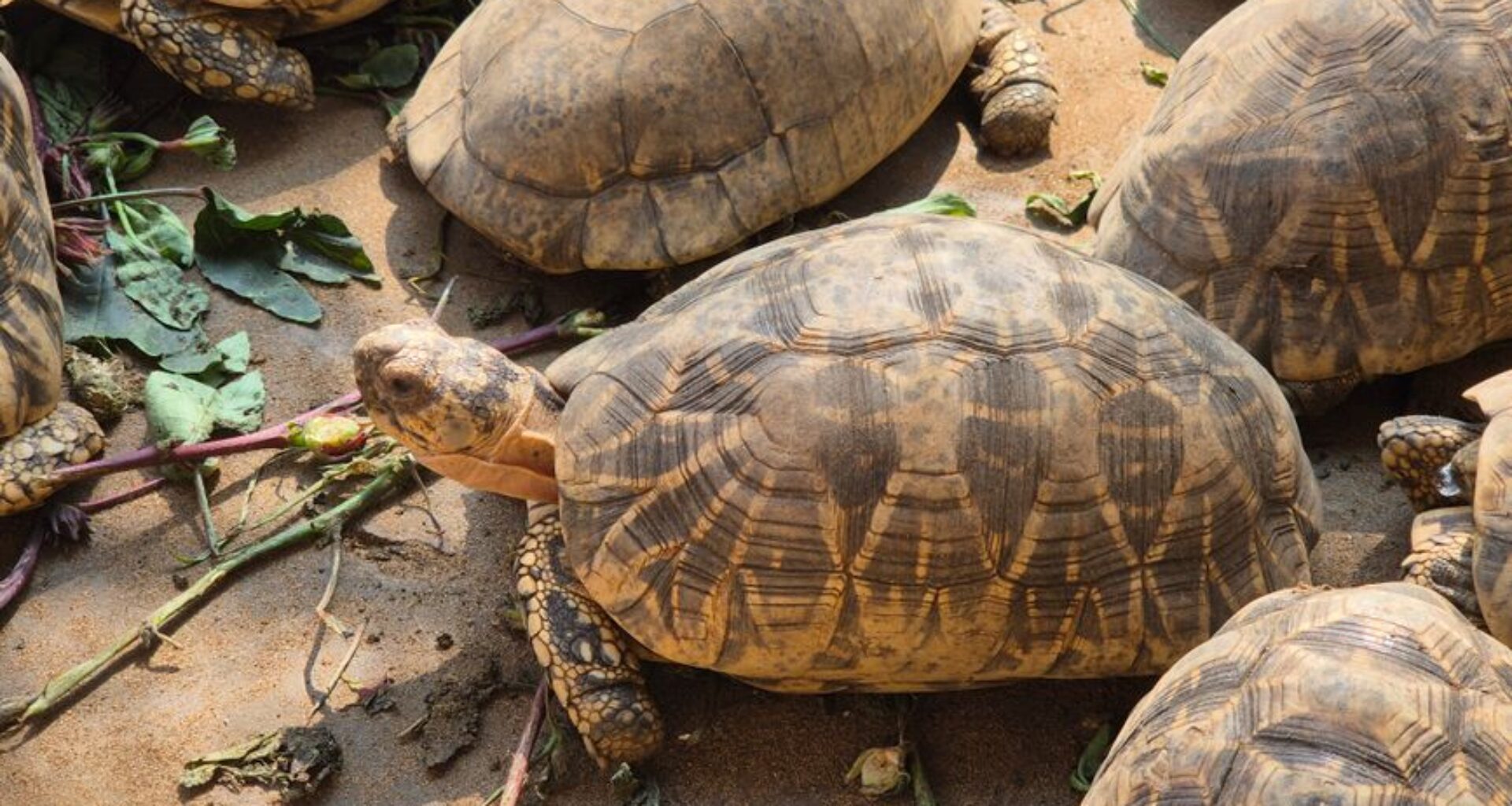
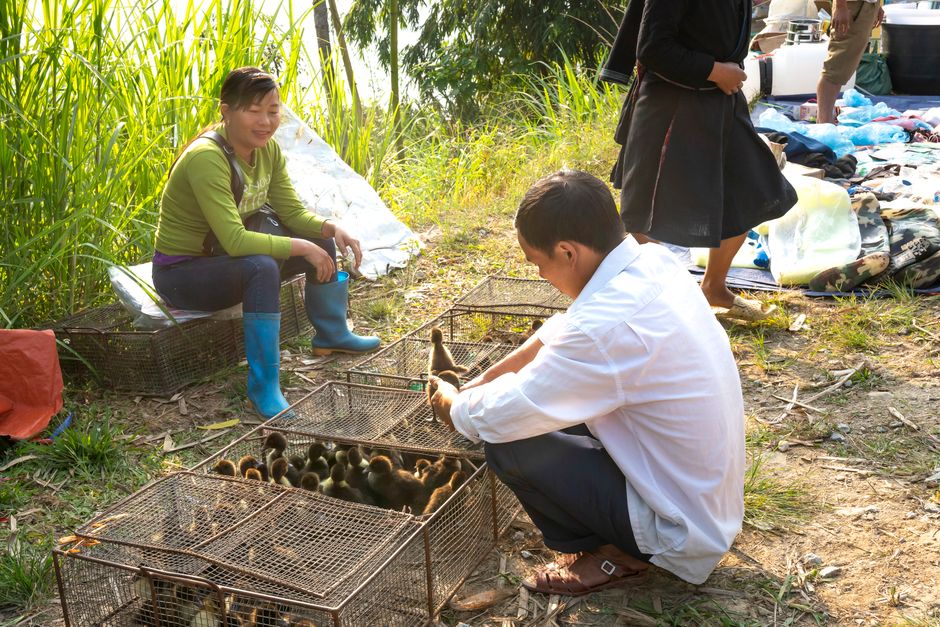
The global trade in wildlife, both legal and illegal, is accelerating pathways for pathogens to transfer from animals to humans, raising significant public health concerns. An interdisciplinary research team recently analyzed extensive trade records to understand how the increasing volume and diversity of wildlife commerce contribute to the emergence of novel diseases. Their findings underscore the complex interactions between people, wildlife, and livestock that facilitate the transmission of viruses, bacteria, fungi, and parasites across species barriers.
Pandemics such as COVID-19 have highlighted the devastating consequences of zoonotic spillovers, in which pathogens jump from animal hosts to humans. Wildlife markets, breeding facilities, and international trade hubs create environments where close contact between humans and a variety of wild animals is commonplace. This proximity provides ample opportunities for pathogens to adapt and infect new hosts, including humans, livestock, and other wildlife.
The study evaluated global wildlife trade routes and species involved, revealing that the scale and diversity of traded animals have expanded significantly over recent decades. This expansion not only increases the likelihood of spillover events but also complicates efforts to monitor and regulate trade. Illegal wildlife trade, often hidden from official oversight, poses a particularly high risk due to its unregulated nature and the involvement of high-risk species.
Experts emphasize that mitigating zoonotic disease risks requires a multifaceted approach. Strengthening regulations and enforcement around wildlife trade, improving surveillance systems, and promoting sustainable livelihoods that reduce dependence on wildlife markets are critical. Also, integrating public health perspectives with conservation and economic policies aligns with the One Health framework, recognizing the interconnected health of people, animals, and ecosystems.
Addressing the challenges posed by wildlife trade is essential to achieving several United Nations Sustainable Development Goals (SDGs), including Good Health and Well-being (SDG 3), Life on Land (SDG 15), and Partnerships for the Goals (SDG 17). Enhanced global cooperation and data sharing will be vital in preventing future pandemics and safeguarding both biodiversity and human health.