


 UN
UN
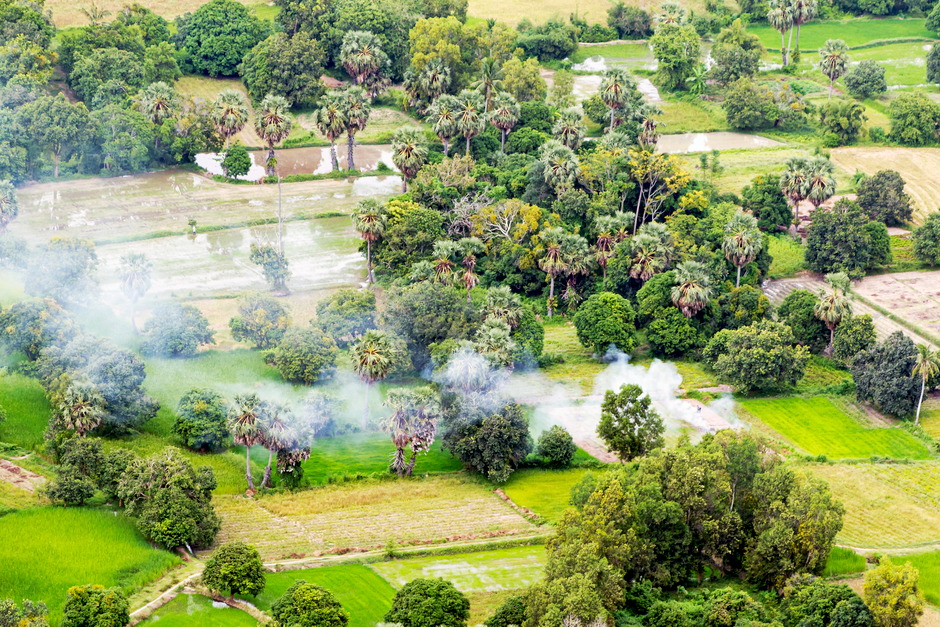
Violence stemming from land disputes in Brazil has surged alarmingly, with the number of killings related to such conflicts doubling in recent years. The majority of these incidents have occurred in the Amazon region, highlighting the ongoing struggles faced by Indigenous communities defending their ancestral territories. One of the most tragic cases emerged on June 12, 2025, when Everton Lopes Rodrigues, a 21-year-old member of the Avá Guarani people and son of the chief of the Yvyju Avary Indigenous village, was found beheaded in the southern state of Paraná. A threatening letter left by the perpetrators next to his body contained grave warnings directed at Indigenous groups, underscoring the perilous environment they face.
Brazil’s Indigenous populations have long been at the frontline of territorial conflicts involving illegal land grabbers, loggers, and agribusiness interests. The Amazon, often called the world’s largest rainforest, is not only a vital carbon sink but also home to diverse Indigenous cultures whose livelihoods depend on the land. As deforestation rates rise, so too do confrontations, often escalating into deadly violence. Amnesty International and other human rights organizations have repeatedly called on the Brazilian government to strengthen protections for Indigenous territories and ensure accountability for crimes committed.
Experts emphasize that the spike in violence is symptomatic of broader issues including weak law enforcement, political marginalization of Indigenous peoples, and economic pressures driving land exploitation. Marcelo dos Santos, an Indigenous rights advocate, remarked, “These killings are not isolated incidents but part of a systemic attack on Indigenous rights and environmental stewardship. Protecting these communities is essential not only for their survival but for the planet’s ecological balance.”
The United Nations Sustainable Development Goals (SDGs), particularly Goal 15 (Life on Land) and Goal 16 (Peace, Justice and Strong Institutions), highlight the importance of safeguarding ecosystems and ensuring access to justice for vulnerable populations. Brazil’s escalating land conflict violence poses a significant challenge to achieving these objectives, threatening biodiversity and undermining social cohesion. International cooperation, stronger legal frameworks, and inclusive dialogue involving Indigenous voices are critical steps toward resolving land disputes peacefully and sustainably.