UN
UN 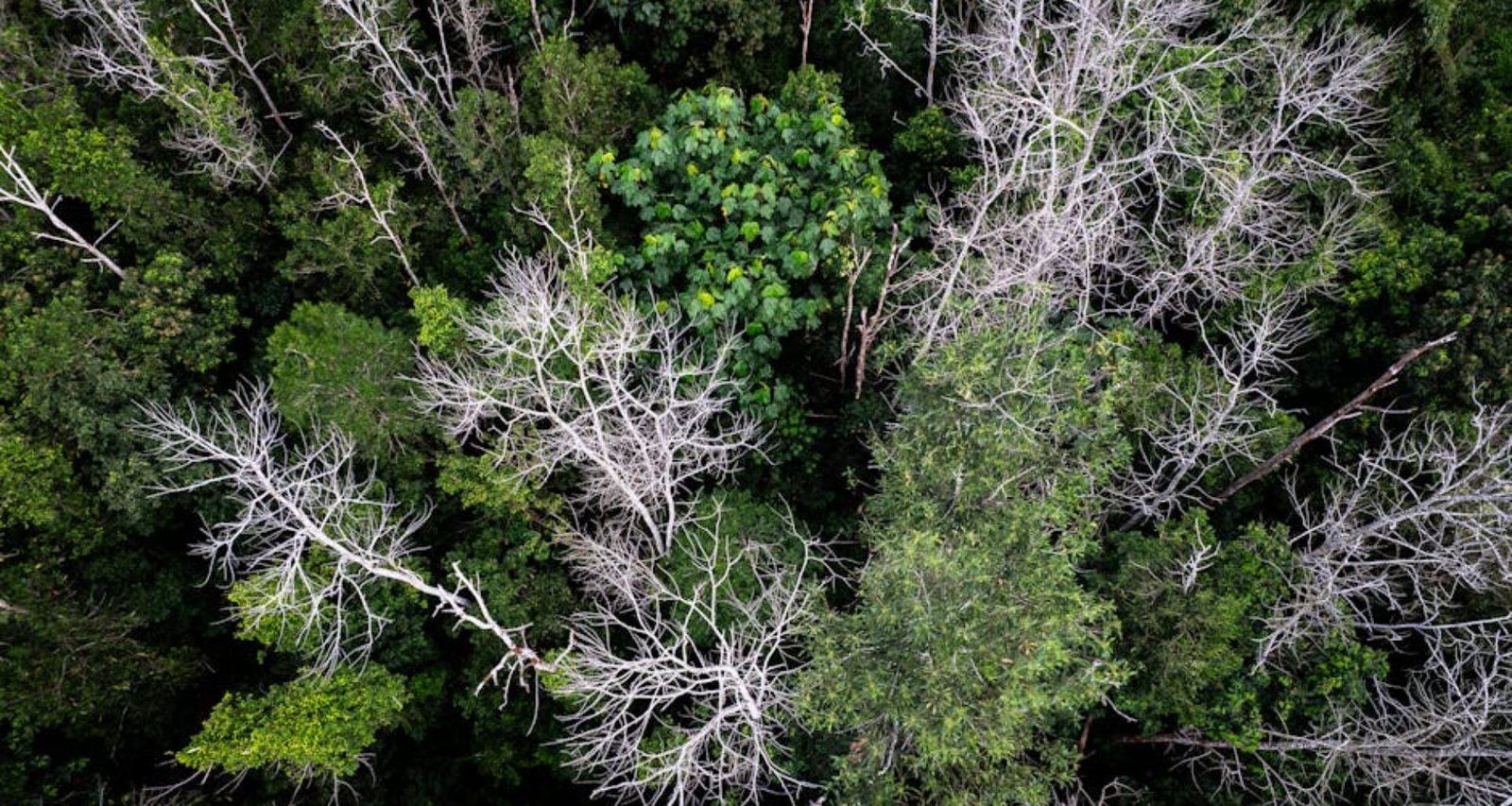
Recent data from the Brazilian Human and Environment Amazon Institute (Imazon) reveals a significant reduction in deforestation rates in the Brazilian Amazon. Between August 2025 and March 2026, deforestation declined by 36 percent compared to the same period the previous year, amounting to 1,460 square kilometers of forest loss. This marks the lowest recorded deforestation level in eight years, highlighting positive momentum in protecting this critical biome.
The Amazon rainforest, often referred to as the planet’s lungs, plays a vital role in global climate regulation by absorbing vast amounts of carbon dioxide. The reduction in deforestation is a promising development for achieving Sustainable Development Goal 15, which emphasizes the sustainable management of forests and halting biodiversity loss. However, despite this progress, experts caution that challenges remain, particularly with a noted rise in wildfire incidents, which threaten to undermine conservation efforts.
Environmentalists stress that while the decrease in deforestation signals effective enforcement of environmental regulations and increased surveillance, ongoing vigilance is necessary. The rise in wildfires, often linked to land clearing and climate-related drought conditions, can cause extensive ecological damage and release significant greenhouse gas emissions. This dual dynamic underscores the complexity of Amazon conservation and the need for integrated strategies combining forest protection, fire management, and sustainable land use planning.
Brazil’s government and civil society organizations have intensified efforts, including satellite monitoring and community engagement, to curb illegal logging and promote sustainable agriculture. International cooperation and funding mechanisms also remain crucial to support these initiatives and ensure the Amazon’s resilience in the face of climate change. As the global community eyes the 2030 Agenda, safeguarding the Amazon is essential not only for regional biodiversity but also for mitigating global warming and supporting indigenous livelihoods.
Looking ahead, maintaining this downward trend in deforestation while addressing the surge in wildfires will require coordinated policy actions, technological innovation, and sustained public awareness. The Amazon’s health is inextricably linked to global environmental security, making this recent report a cautiously optimistic indicator but also a call to action for continued commitment.