



 UN
UN 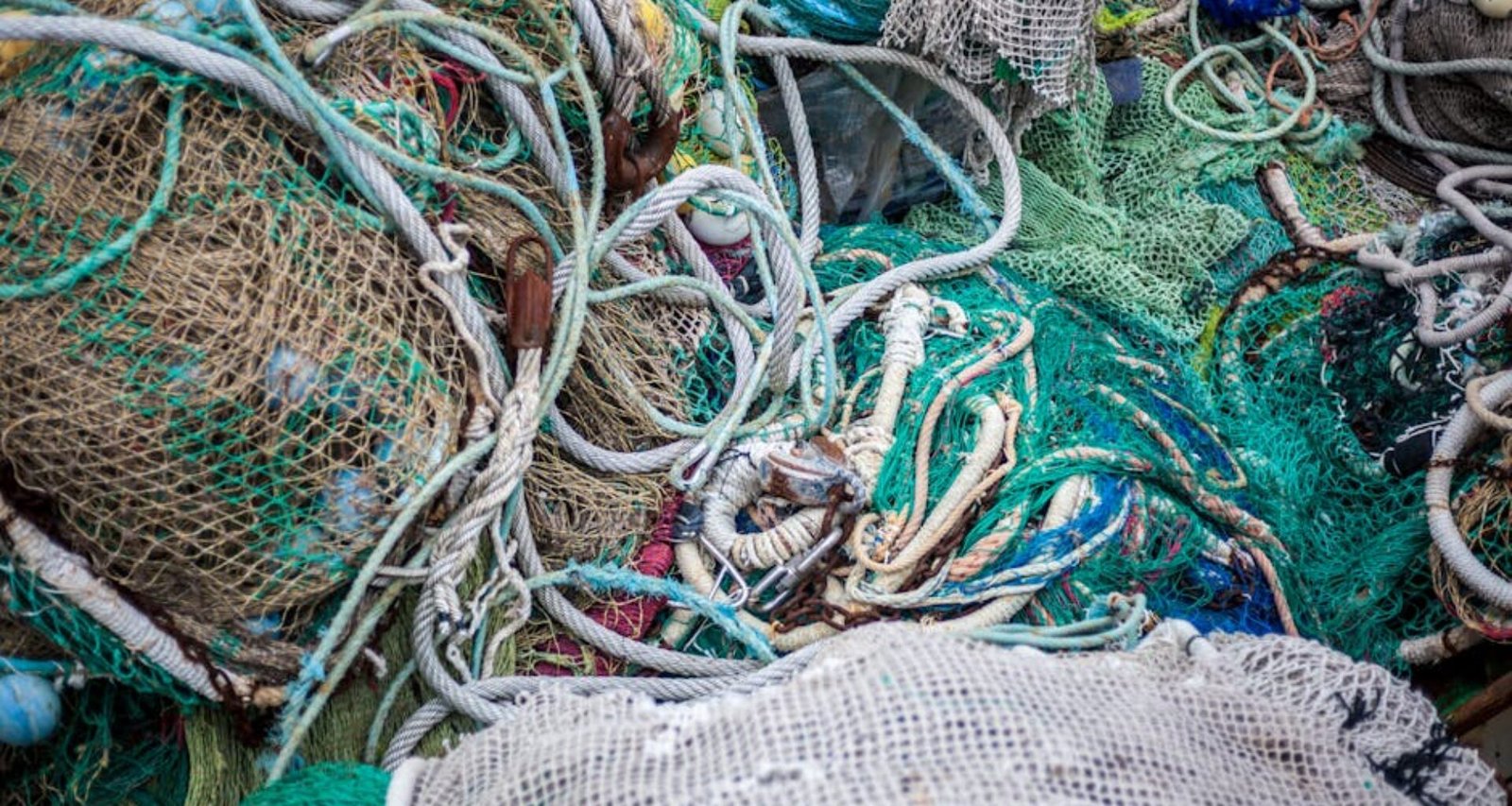
A recent study has unveiled the staggering environmental and economic consequences of bottom trawling in Europe, highlighting a profound disconnect between short-term industry gains and long-term societal costs. Bottom trawling, a fishing technique that involves dragging heavy nets across the seabed, generates approximately 180 million euros ($210 million) annually in profits for the European fishing sector. However, when factoring in the climate-related damages caused by this practice, the societal costs soar to as much as 90 times the industry’s earnings, amounting to billions of euros each year.
The study sheds light on the significant greenhouse gas emissions released from disturbed seabed sediments and the destruction of vital marine ecosystems that act as natural carbon sinks. By disrupting these carbon stores, bottom trawling contributes indirectly but substantially to climate change, exacerbating the global environmental crisis while undermining ocean health.
Experts emphasize that the financial metrics traditionally used to evaluate fishing activities fail to capture these externalities, leading to policies that overlook the broader climate implications. “Bottom trawling’s hidden climate costs represent a market failure,” noted one marine ecologist involved in the study. “Ignoring these impacts risks perpetuating unsustainable practices that ultimately harm both biodiversity and human well-being.”
The findings underscore the urgent need for regulatory reforms that integrate environmental costs into fisheries management. Strategies such as restricting bottom trawling in ecologically sensitive areas, promoting alternative sustainable fishing methods, and incorporating climate impact assessments into economic planning could help align industry practices with the global Sustainable Development Goals, particularly SDG 14 (Life Below Water) and SDG 13 (Climate Action).
As Europe advances its climate commitments, addressing the substantial hidden costs of bottom trawling presents an opportunity to safeguard marine ecosystems while supporting sustainable economic growth. Balancing ecological preservation with the livelihoods of fishing communities will be crucial to fostering resilience in both the environment and the economy.