UN
UN 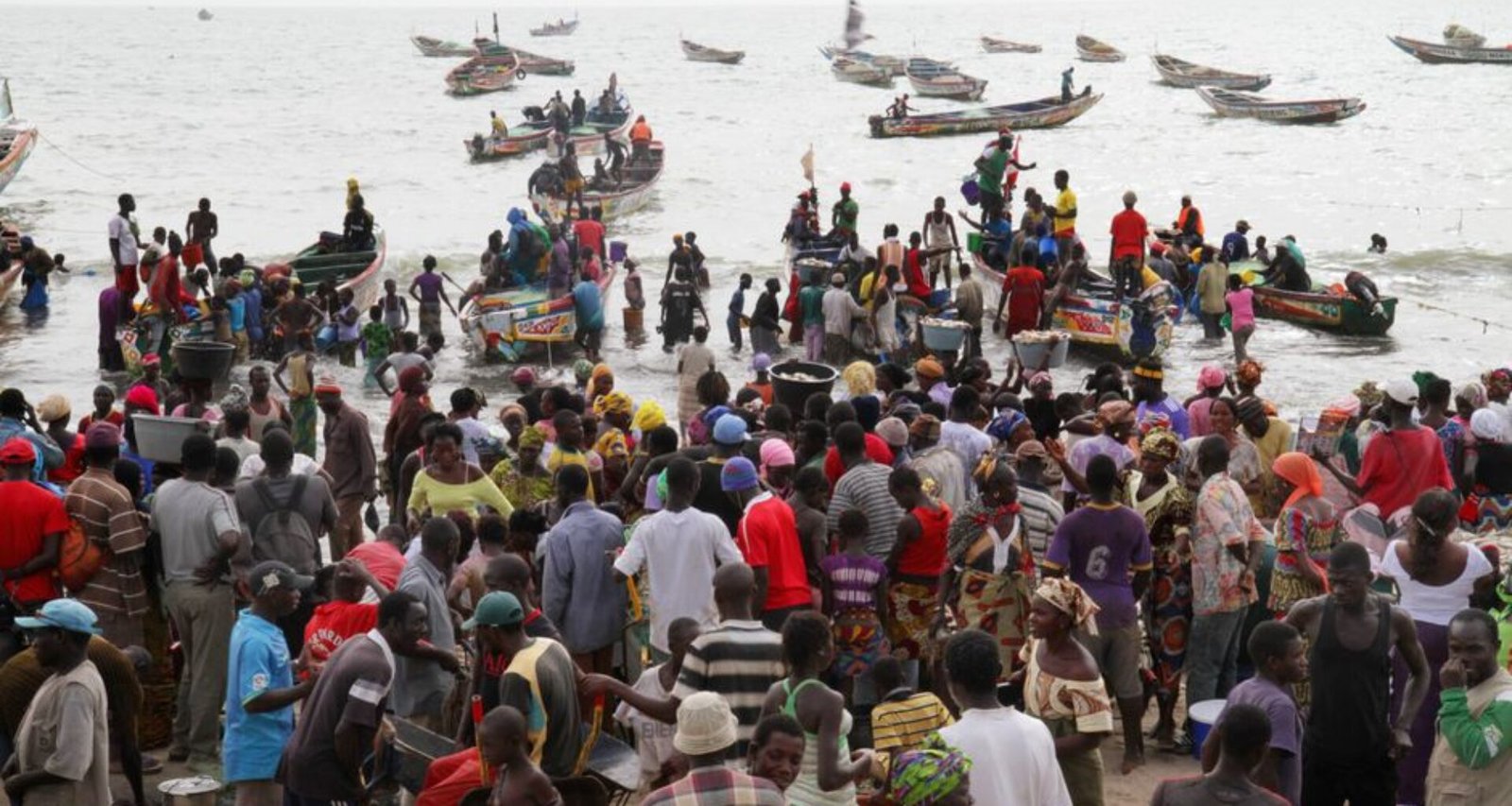
On Wednesday in Mombasa, the midday heat pressed in as delegates at the Our Ocean Conference debated strategies to tap the blue economy for sustainable growth. While ministers and business leaders highlighted new offshore wind projects and marine tourism ventures, local activists insisted that Kenya’s coastal communities must see tangible benefits from the surge of investment.
The blue economy—covering sectors such as fisheries, aquaculture, shipping, and renewable energy—now accounts for nearly 10% of Kenya’s GDP, according to the Ministry of Blue Economy and Maritime Affairs. Yet, speakers from the Blue Communities Coalition pointed out that many small-scale fishers in Kilifi and Lamu counties report stagnant incomes, even as international consortia secure lucrative licensing deals.
At the conference, the UN Environment Programme announced a new $120 million funding facility targeting marine ecosystem restoration across the Western Indian Ocean by 2028. However, community representatives demanded stronger safeguards to ensure these funds prioritize local livelihoods, not just large-scale projects. “Without robust social inclusion clauses, these initiatives risk repeating old patterns of exclusion,” said Amina Otieno, a Mombasa-based marine rights organizer.
As another late-night discussion session wrapped up along the city’s bustling beachfront, policy researchers noted that Kenya’s national blue economy strategy set a 2026 target to lift 200,000 coastal households out of poverty. With the deadline approaching, independent audits from the Institute for Sustainable Development show only 18% of the pledged job opportunities have materialized so far.
This week’s deliberations in Mombasa have sharpened pressure on both national agencies and international donors to deliver measurable progress—beyond headlines and photo-ops—before the end of this year’s high tourist season.
Frequently Asked Questions
What percentage of Kenya’s GDP does the blue economy account for?
The blue economy now accounts for nearly 10% of Kenya’s GDP, according to the Ministry of Blue Economy and Maritime Affairs.
How much funding did the UN Environment Programme announce for marine ecosystem restoration in the Western Indian Ocean?
The UN Environment Programme announced a $120 million funding facility for marine ecosystem restoration across the Western Indian Ocean by 2028.
What is Kenya’s target for lifting coastal households out of poverty through the blue economy by 2026?
Kenya’s national blue economy strategy set a 2026 target to lift 200,000 coastal households out of poverty.
What percentage of pledged blue economy job opportunities in Kenya have materialized so far?
Only 18% of the pledged job opportunities have materialized so far, according to independent audits from the Institute for Sustainable Development.
What concerns are Kenyan coastal communities raising about blue economy initiatives?
Kenyan coastal communities are demanding greater inclusion and tangible benefits, expressing concerns that increased investment has not improved incomes for small-scale fishers and that funds may not prioritize local livelihoods.