UN
UN 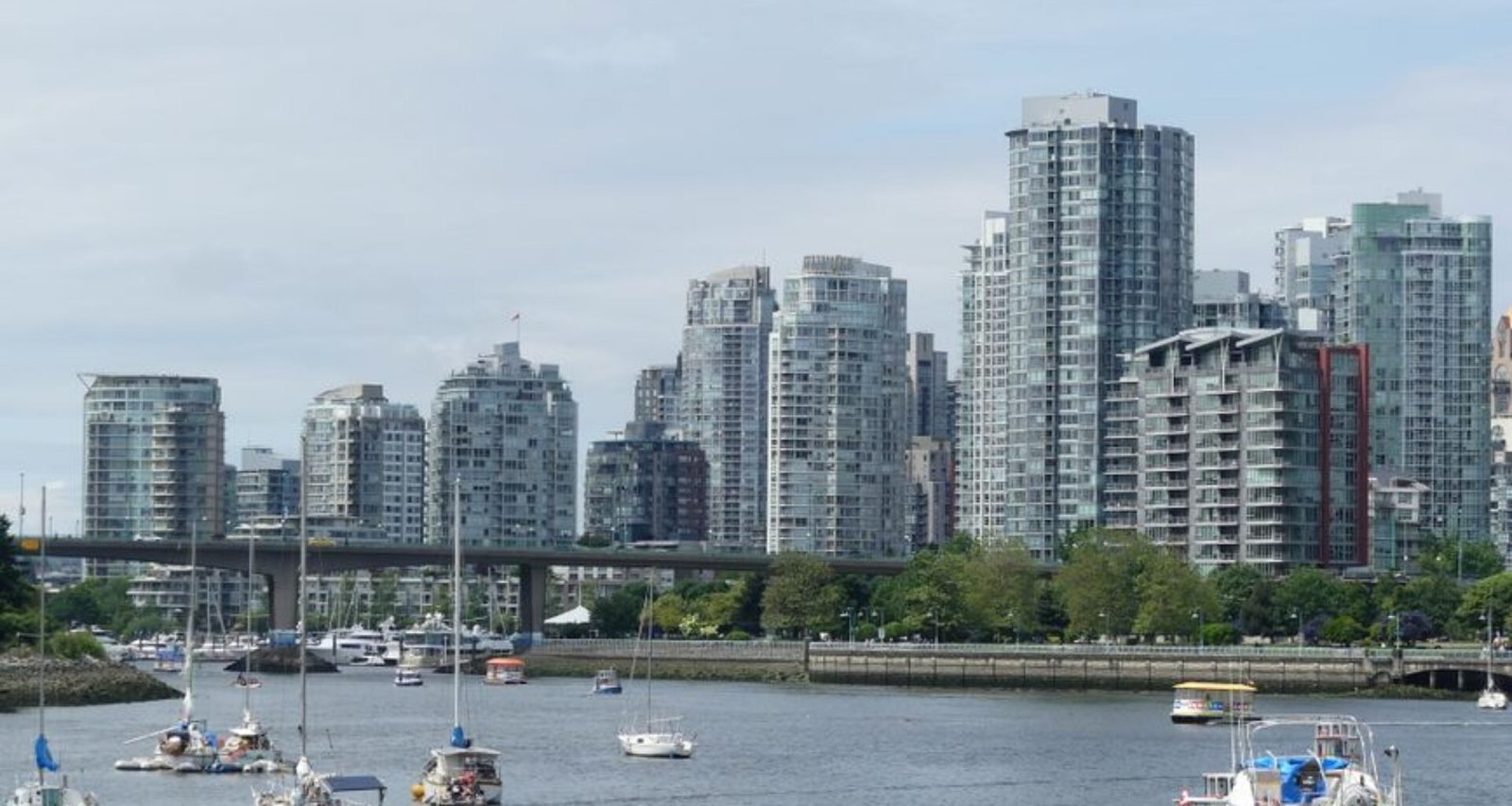
This Thursday afternoon, as sunbathers lined the seawall near Vancouver’s Olympic Village, Talaysay Campo, operations manager for Talaysay Tours and member of the Squamish First Nation, pointed to the murky water of False Creek—a stark contrast to the thriving aquaculture site her ancestors once managed. With water temperatures reaching seasonal highs, concerns about urban runoff and pollution have again surfaced among local sustainability groups.
The City of Vancouver, under its 2030 Greenest City Action Plan, is now accelerating its focus on waterway restoration with a new public-private partnership announced this summer. The initiative, which includes $8 million in municipal and federal funding and active involvement from the Squamish First Nation, targets measurable improvements in water quality and biodiversity by the end of 2026. Key actions include stormwater filtration upgrades, shoreline native planting, and the reintroduction of shellfish habitats—a move that draws on traditional Indigenous stewardship practices.
Despite these commitments, field data from Vancouver Coastal Health this month shows E. coli levels in False Creek still frequently exceed safe swimming thresholds, underscoring the scale of the challenge. Advocates have called for more transparent progress reporting and independent water testing, citing skepticism over previous city claims of ‘significant improvement.’
As late-evening kayakers paddle past construction cranes and new condo towers, the question remains whether Vancouver can deliver on its pledge to make False Creek a model for urban waterway renewal by 2026. Success would not only support SDG 6 (Clean Water and Sanitation) but also serve as a global case study in Indigenous-led, city-scale ecosystem restoration.
With summer tourism peaking, the city’s efforts are under heightened scrutiny from both residents and international visitors—many of whom are asking when, or if, they’ll be able to safely swim in the inlet again.
Frequently Asked Questions
What is the goal of Vancouver’s False Creek restoration project?
The goal is to achieve measurable improvements in water quality and biodiversity in False Creek by the end of 2026.
Who is leading the False Creek restoration efforts?
The restoration is a partnership between the City of Vancouver, the Squamish First Nation, and other groups, with Indigenous stewardship playing a central role.
How much funding has been allocated for the False Creek restoration?
$8 million in municipal and federal funding was announced for the project in summer 2024.
What actions are being taken to restore False Creek?
Actions include stormwater filtration upgrades, shoreline native planting, and the reintroduction of shellfish habitats.
Is False Creek currently safe for swimming?
Recent Vancouver Coastal Health data shows E. coli levels in False Creek still often exceed safe swimming thresholds.