UN
UN 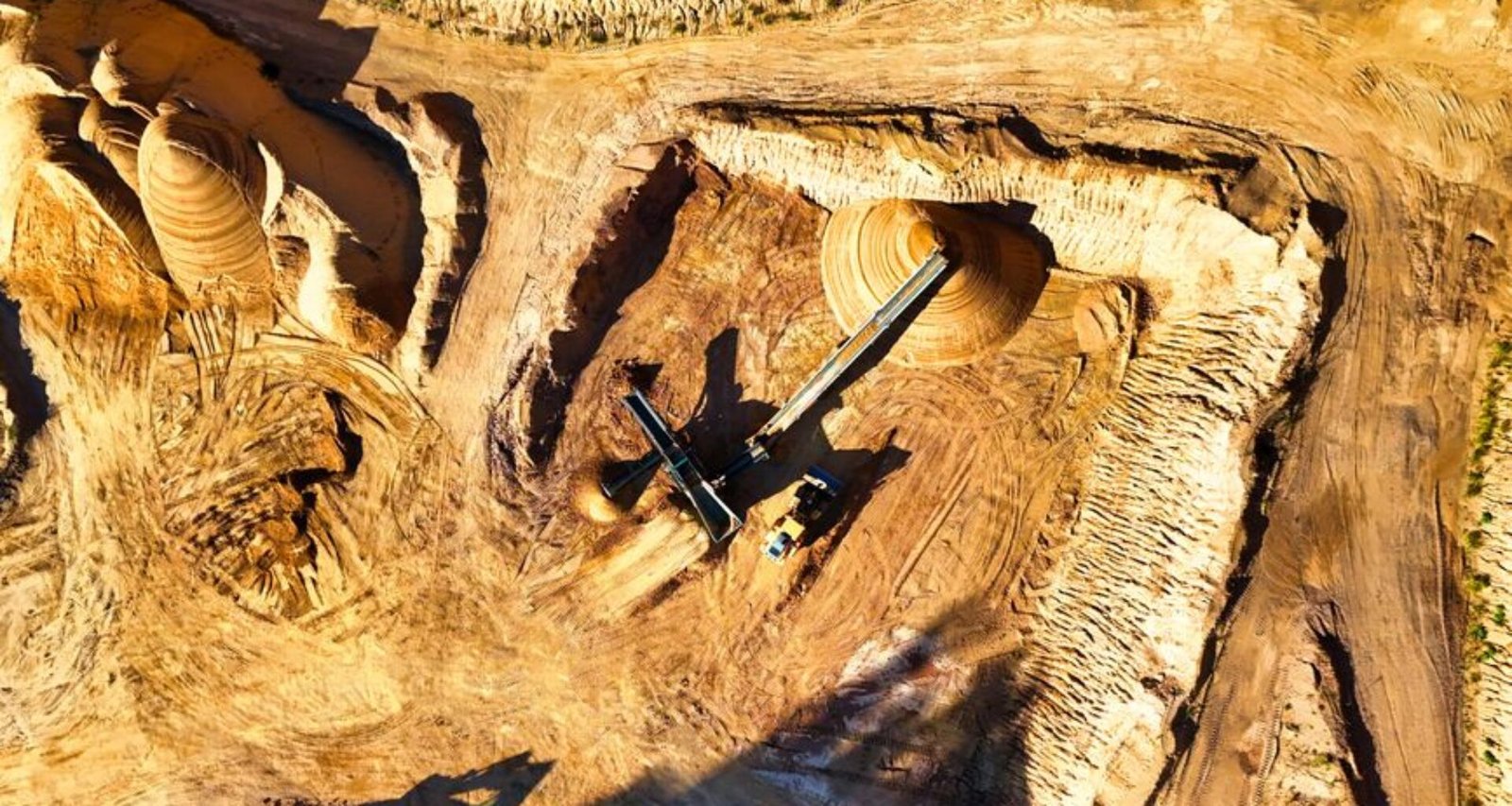
As temperatures in Jharkhand’s mining districts hit 39°C this Thursday, India’s Ministry of Mines convened with state officials to discuss accelerating domestic graphite extraction. The move comes amid a surge in global demand for battery-grade graphite, a key component in lithium-ion batteries critical to the clean energy transition. India is eyeing its estimated 8 million tonnes of untapped graphite reserves, aiming to reduce its 90% import reliance on China.
In Delhi, the Indian Bureau of Mines released data this week showing domestic graphite production has increased by just 2% in the first half of 2026, falling short of the government’s 10% annual growth target set in January. Officials cited infrastructure gaps, environmental clearance delays, and unresolved land rights with indigenous communities as primary roadblocks.
The central government’s Critical Minerals Policy, launched earlier this year, earmarks $400 million to develop graphite mining and processing capacity by 2028. However, industry analysts from the Council on Energy, Environment and Water note that less than 10% of these funds have been allocated so far, putting the 2026 interim milestones at risk.
Meanwhile, Chinese suppliers continue to dominate global battery-grade graphite markets, controlling over 80% of processing capacity worldwide. Indian manufacturers like Exide Industries report that recent procurement costs have risen by 15% since May, driven by volatility in Chinese export quotas and shipping delays through the South China Sea.
With climate policy stakeholders and automakers pressuring for a resilient, local supply chain, India’s graphite ambitions face a summer of scrutiny. Progress in the coming weeks will signal whether India’s resource-rich states can move beyond announcements and deliver tangible results before year-end.
Frequently Asked Questions
How much graphite does India currently import from China?
India currently relies on China for 90% of its graphite imports.
What is India’s target for domestic graphite production growth in 2026?
The government set a 10% annual growth target for domestic graphite production in 2026.
How much funding has been allocated for graphite development under India’s Critical Minerals Policy?
The Critical Minerals Policy allocates $400 million for graphite development by 2028, but less than 10% of these funds have been allocated so far.
What are the main challenges facing India’s graphite mining sector?
India’s graphite mining sector faces challenges including infrastructure gaps, environmental clearance delays, and unresolved land rights with indigenous communities.
How much of the global battery-grade graphite processing capacity is controlled by China?
Chinese suppliers control over 80% of global battery-grade graphite processing capacity.