UN
UN 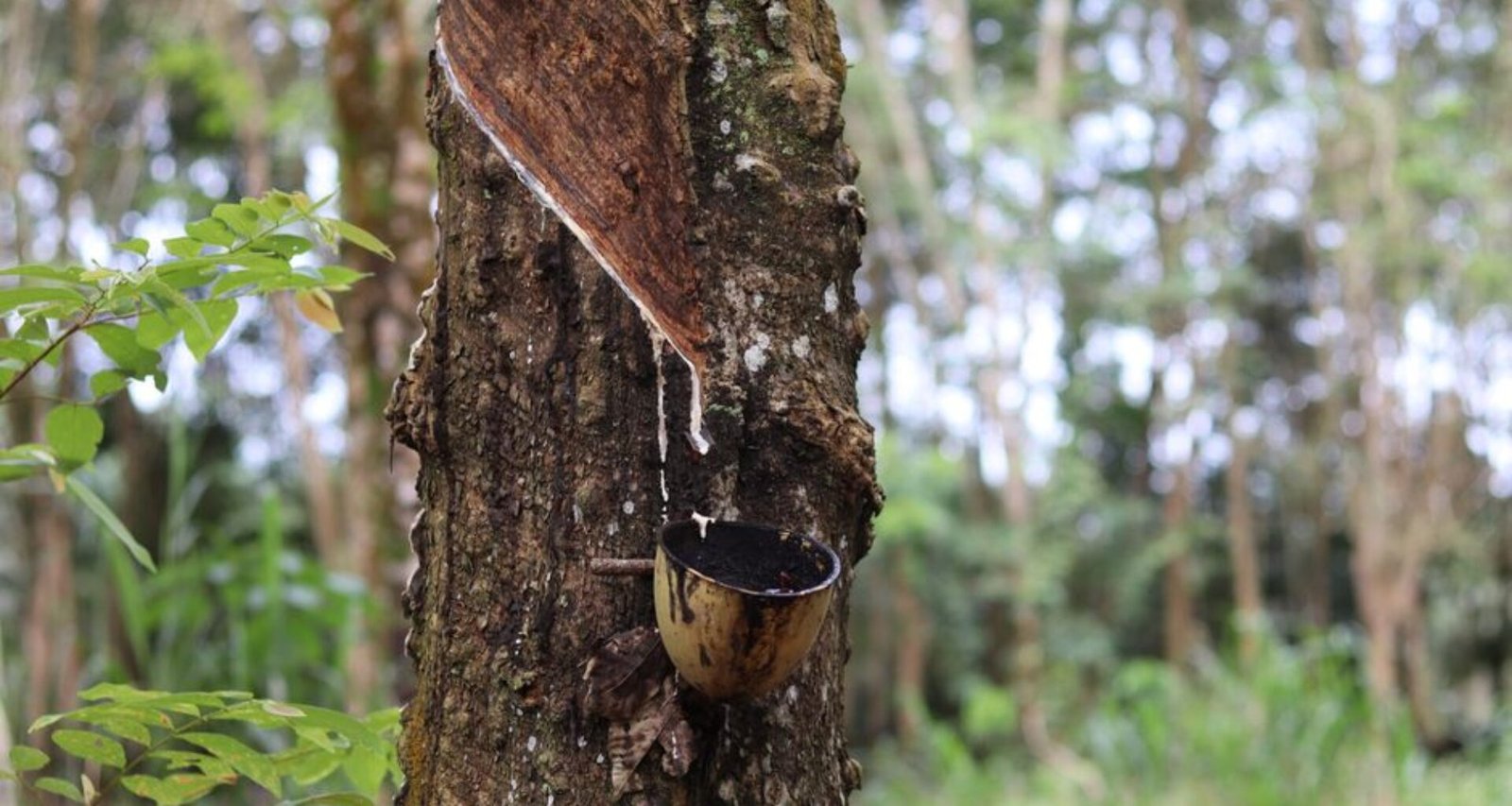
On Wednesday morning in Songkhla province, rubber farmers queued outside a regional cooperative office, clutching paperwork and maps as they sought guidance on upcoming EU anti-deforestation regulations set for enforcement in 2027. The urgency is palpable this July, as Thailand’s 1.7 million smallholders—who account for 90% of the nation’s natural rubber production—face a rapidly narrowing window to prove their crops are deforestation-free.
The European Union’s new law, formally adopted last year but now dominating summer trade discussions, will require proof that all rubber imports are unlinked to recent deforestation. For Thailand, the world’s top rubber exporter, this presents a significant compliance challenge. Although China remains the largest direct market, a substantial volume of Thai rubber eventually enters the EU supply chain via intermediaries, making traceability essential.
With rubber prices fluctuating and buyers in the EU tightening their procurement standards, smallholders are being urged by the Rubber Authority of Thailand to adopt digital land mapping and satellite verification tools by year’s end. Yet, on the ground, farmers voiced concerns this week about the costs and complexity of these new requirements. Many are still waiting for clear guidance or financial support, with one cooperative leader estimating that only 12% of regional members have started the verification process as of July 2026.
NGOs working in southern Thailand flagged the risk of market exclusion for non-compliant farmers, potentially undermining rural livelihoods and SDG 1 (No Poverty) in the process. The Thai Ministry of Agriculture has promised a support package, but as of this week, details remain sparse and many smallholders are left in limbo. Observers warn that unless implementation accelerates in the coming months, Thailand could see a sharp drop in EU-bound rubber exports by 2027.
While government and industry representatives point to ongoing pilot projects, the gap between announcement and delivery is a source of skepticism among sustainability assessors. With the EU’s regulatory deadline less than 18 months away, the next six months are set to be critical for Thailand’s rural economy and its global supply chain credibility.
Frequently Asked Questions
What are the new EU deforestation rules affecting Thailand’s rubber farmers?
The EU will require proof that all rubber imports are unlinked to recent deforestation, with regulations for rubber imports enforced starting in 2027.
How many Thai rubber smallholders have started the EU compliance verification process?
As of July 2026, only 12% of regional cooperative members in Songkhla have started the verification process.
What tools are Thai rubber farmers being urged to adopt for EU compliance?
The Rubber Authority of Thailand is urging farmers to adopt digital land mapping and satellite verification tools by the end of this year.
What risks do non-compliant Thai rubber farmers face under the new EU rules?
Non-compliant farmers risk market exclusion, which could threaten rural livelihoods and undermine progress toward SDG 1 (No Poverty).
Has the Thai government provided support for smallholders to meet EU requirements?
The Thai Ministry of Agriculture has promised a support package, but as of this week, details remain sparse and many smallholders are still waiting for assistance.