



 UN
UN 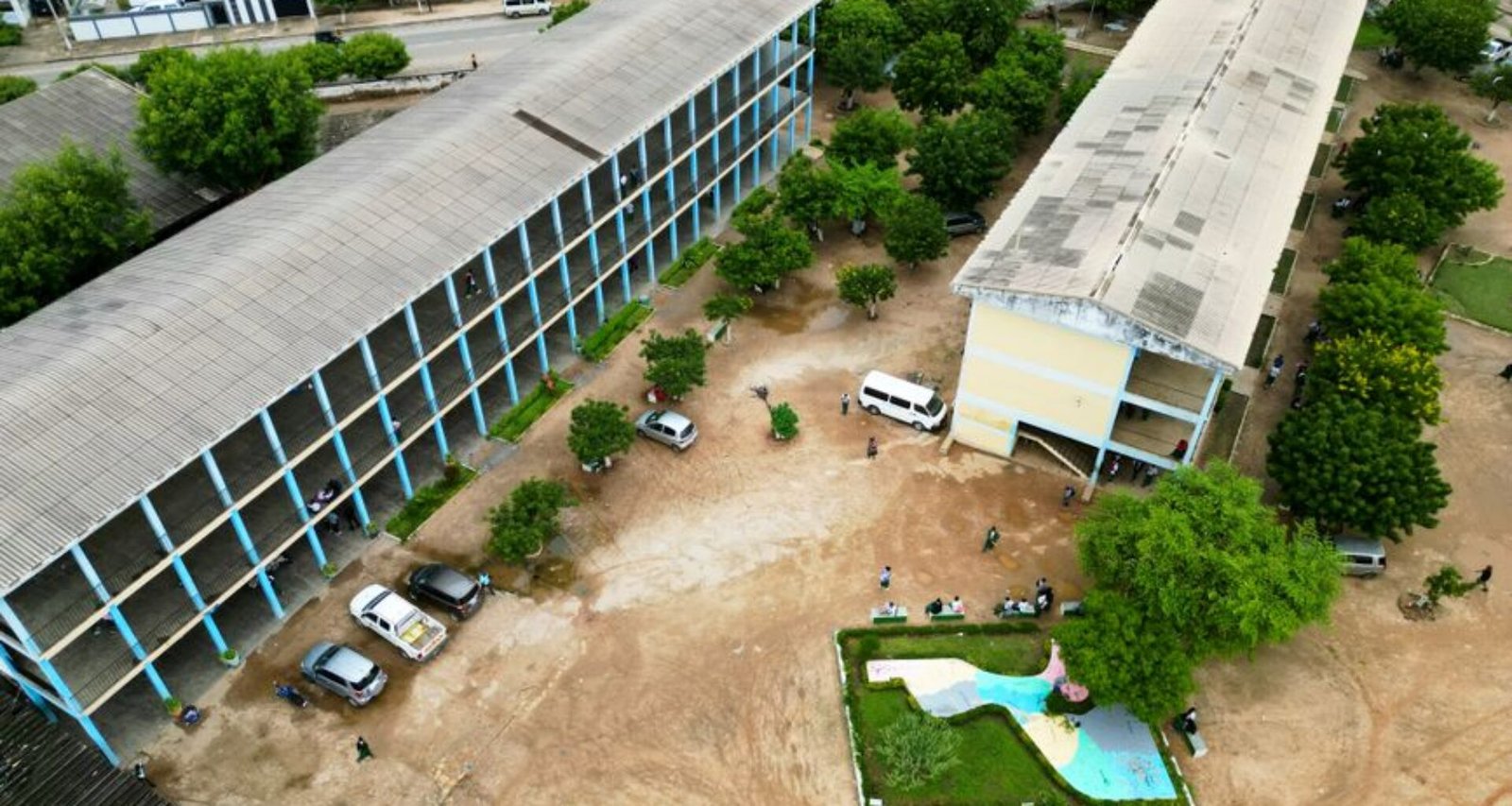
- 1.4 million children to benefit from the expanded meals program by July 2026.
- The World Food Programme is a principal partner in funding and logistics.
- Coverage growth follows a 2023 pilot serving 950,000 students in 23 districts.
The Ministry of Education in Malawi has publicly announced an expansion of its national school meals initiative, aiming to reach 1.4 million primary school children across all 28 districts by July 2026. The expansion will be delivered in partnership with the World Food Programme (WFP), which has provided both financial support and supply chain expertise to the project since 2019. This initiative directly addresses SDG 2 (Zero Hunger) and SDG 4 (Quality Education), seeking to improve child nutrition and school attendance rates in one of Southern Africa’s most food-insecure countries.
The scale-up builds upon the previous Home-Grown School Meals Program, which by mid-2023 had reached 950,000 students in 23 districts, according to WFP Malawi’s latest annual report. The Ministry of Education states that the additional 450,000 students to be included by 2026 will be prioritized from districts with the highest rates of chronic malnutrition and low school enrolment. Funding for the 2026 expansion totals approximately $34 million, with 72% contributed by international donors through WFP, and the remainder from Malawiâs domestic budget.
Implementation of the expanded program will be guided by independent monitoring and evaluation benchmarks, including biometric attendance tracking and third-party nutrition assessments. The Ministry has pledged to publish quarterly progress data, with the first public report due in October 2026. However, Malawiâs previous school meals expansion faced criticism from the Civil Society Agriculture Network (CISANET) in 2023 for delayed food deliveries and lack of local sourcing, raising questions about the robustness of supply chain reforms for 2026.
WFPâs involvement includes a new commitment to source at least 60% of staple foods from Malawian smallholder farmers by 2026, aligning with the agencyâs global âHome-Grownâ procurement policy. Past evaluations from UNICEF Malawi have noted a 14% increase in school attendance in pilot areas with consistent meal delivery, but measurable impacts on learning outcomes remain to be demonstrated at scale. Both organizations stress that transparency in delivery â not just policy announcements â will be critical to assessing real progress in 2026.
Frequently Asked Questions
How many children will benefit from Malawiâs expanded school meals program in 2026?
The Ministry of Education targets 1.4 million primary school children across all 28 districts by July 2026, up from 950,000 beneficiaries in 2023. This expansion focuses on areas with high rates of malnutrition and school absenteeism.
What are the main sources of funding and support for the program?
The World Food Programme is the principal partner, contributing international donor funds and expertise. Of the $34 million expansion budget, 72% comes from WFP and donors, while Malawiâs government funds the remainder.
How will progress be measured and reported for the expanded program?
Progress will be tracked through quarterly public reporting, biometric attendance, and third-party nutrition checks. The first monitoring report is scheduled for October 2026. Past issues with delivery delays are being addressed with supply chain reforms.
Frequently Asked Questions
How many students will benefit from Malawi’s expanded school meals program by July 2026?
1.4 million primary school children across all 28 districts will benefit from the expanded program by July 2026.
What is the total funding for the Malawi school meals expansion and who provides it?
The total funding is $34 million, with 72% from international donors via WFP and the rest from Malawi’s domestic budget.
How will the progress of the expanded school meals program be monitored?
Progress will be tracked using biometric attendance and third-party nutrition assessments, with quarterly public reports starting October 2026.
What percentage of staple foods for the program will be sourced from Malawian farmers by 2026?
At least 60% of staple foods will be sourced from Malawian smallholder farmers by 2026.
Which areas are prioritized in the expansion of Malawi’s school meals program?
Districts with the highest rates of chronic malnutrition and low school enrolment are prioritized for inclusion in the expansion.