UN
UN 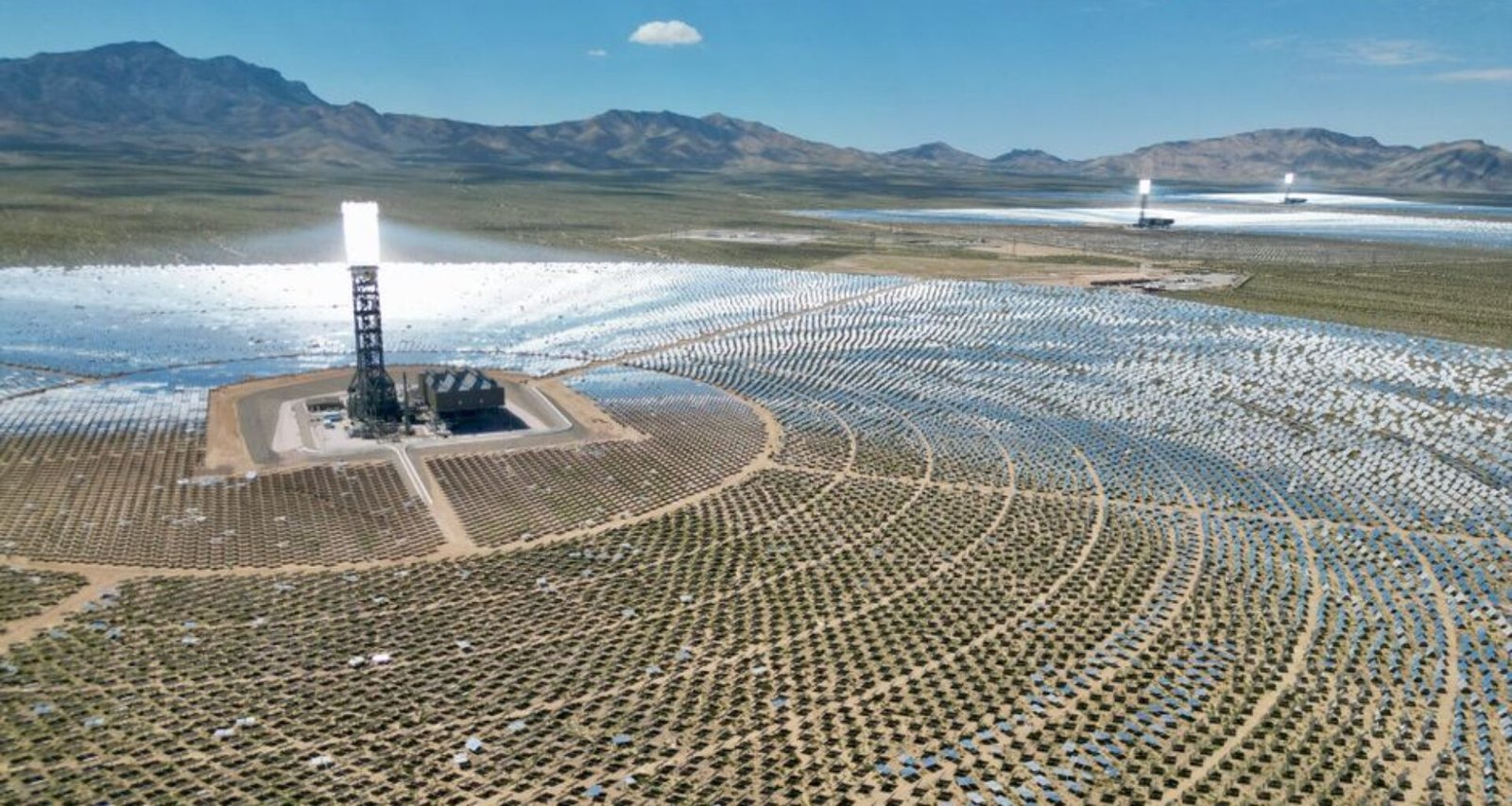
Saturday afternoon hikers near Barstow, California, are encountering more construction vehicles than usual this summer, as the latest phase of the state-approved Silver Sun Solar Project moves ahead in the Mojave Desert. While the project is seen by Sacramento policymakers as a key contribution toward California’s 2045 clean energy targets, a coalition of ecologists from the Mojave Desert Land Trust and biologists at the University of California, Riverside, warn that critical wildlife corridors are at immediate risk.
At the heart of the debate is a 2,000-acre stretch linking the Clark and Granite mountain ranges—a migration route for desert tortoise, bighorn sheep, and kit foxes. Dr. Emily Tran, a field biologist who has tracked animal movement in the area since early spring 2026, told SDG Talking that night-vision camera traps have already documented a 40% drop in animal crossings since fencing and grading began in May. “This corridor is not an empty wasteland—it’s a living highway for species survival, especially during the triple-digit heat waves we’ve seen this July,” Tran emphasized.
The California Energy Commission, which greenlit the project in March 2026, maintains that the developer’s mitigation plan—including wildlife underpasses and a 1,500-meter buffer zone—will offset ecological impacts. However, a recent report from Defenders of Wildlife argues that previous mitigation efforts in the Mojave have delivered less than 20% of their intended connectivity benefits once construction is completed. The group cites post-construction monitoring data from similar projects south of Baker, where kit fox populations have not rebounded.
With the project’s first phase scheduled for grid connection later this summer, local advocacy groups are pushing for a pause and third-party review. The state’s Natural Resources Agency has issued a statement promising to consult with tribal nations and independent scientists “in the coming weeks,” but as of this Saturday, construction continues under full permit.
The Mojave project highlights a growing tension between California’s ambitious solar rollout and the SDG 15 target of halting biodiversity loss by 2030. As the summer heat intensifies and renewable energy deadlines approach, conservationists and energy planners are now locked in urgent discussions over how to balance climate goals with habitat integrity in one of North America’s most fragile desert ecosystems.
Frequently Asked Questions
What is the Silver Sun Solar Project in the Mojave Desert?
The Silver Sun Solar Project is a 2,000-acre solar development near Barstow, California, intended to help meet the state’s 2045 clean energy targets.
How has wildlife been affected by the Silver Sun Solar Project construction?
Night-vision cameras have recorded a 40% drop in animal crossings in the affected corridor since construction began in May 2026.
What mitigation measures are planned for wildlife at the Silver Sun Solar Project?
Mitigation plans include wildlife underpasses and a 1,500-meter buffer zone to offset ecological impacts.
Have previous Mojave solar project mitigations been effective for wildlife corridors?
Previous mitigation efforts in the Mojave have delivered less than 20% of their intended connectivity benefits after construction.
What are local groups demanding regarding the Silver Sun Solar Project?
Local advocacy groups are calling for a pause in construction and a third-party review of the project’s impact on wildlife corridors.