UN
UN 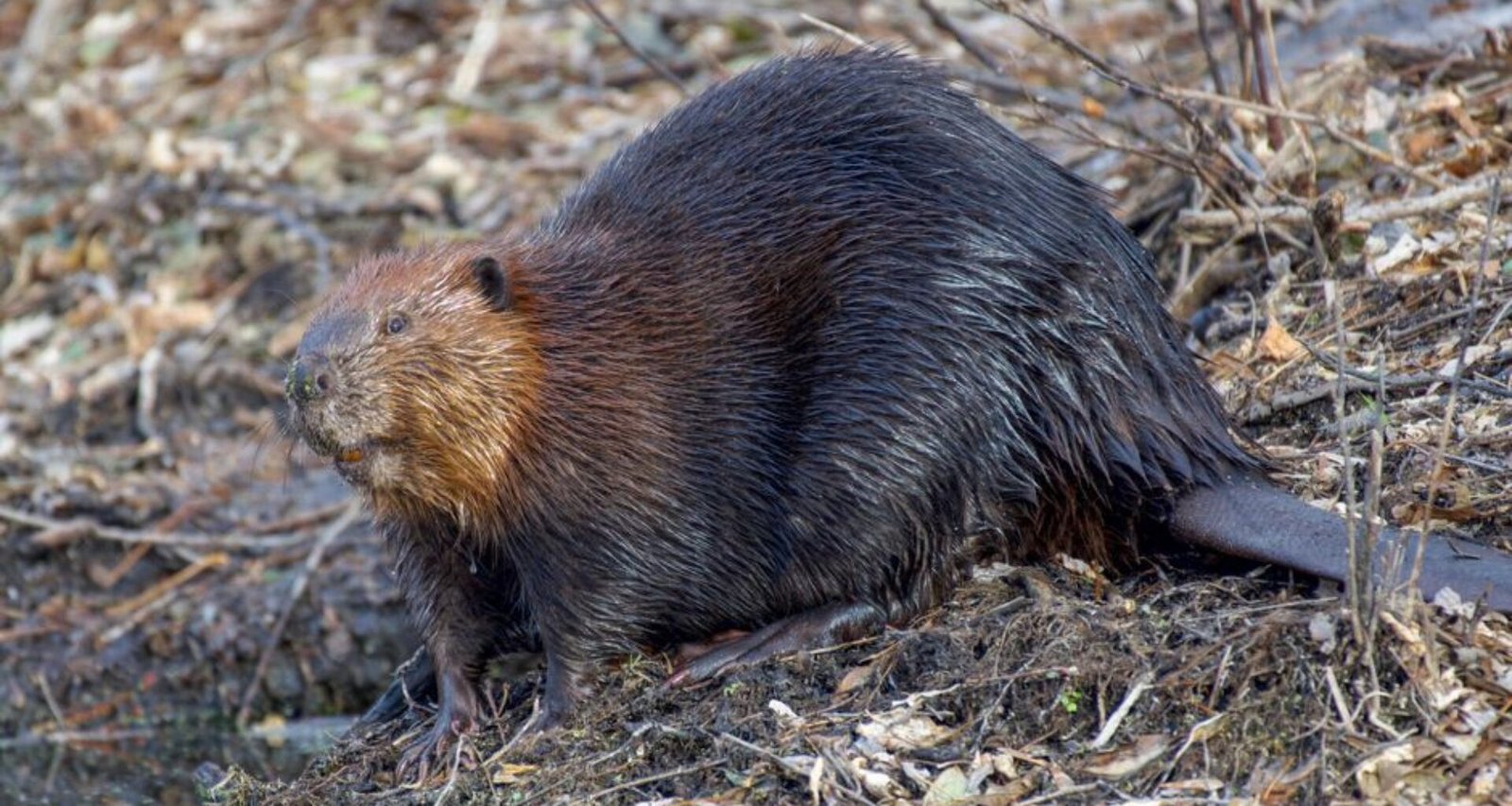
Researchers have documented a notable uptick in beaver populations across tidal wetlands and estuaries of the Pacific Northwest this summer. The peer-reviewed study, published by ecologists at Oregon State University, challenges longstanding assumptions that beavers primarily inhabit freshwater rivers and streams. Fieldwork conducted across Clatsop County, Oregon, in June 2026, showed that beaver lodges appeared in 37% of surveyed tidal wetland sites—more than double previous estimates.
The findings position beavers as critical ecosystem engineers within dynamic tidal environments, where water levels shift twice daily and saltwater pushes inland. According to lead author Dr. Natalie Hsu, “Beavers alter water flow, trap sediment, and create habitat complexity in ways that benefit salmon, waterfowl, and plant diversity.” In one monitored estuary near Astoria, beaver-created channels increased fish passage by 28% over three months, supporting local SDG 14 (Life Below Water) restoration targets.
The study arrives at a time when Pacific Northwest policymakers are under pressure to deliver measurable climate adaptation results by the end of 2026. The Oregon Department of Fish and Wildlife, which has committed to restoring 1,200 hectares of tidal wetland by December, is now considering incorporating active beaver management into its strategy. “We see potential for beavers to accelerate habitat recovery, reducing the need for heavy infrastructure,” said ODFW’s restoration manager Jenna Ortiz at a stakeholder meeting last Thursday.
However, the report cautions against over-reliance on beavers as a silver bullet for ecosystem recovery. Saltwater intrusion poses limits to their engineering, and researchers observed that beaver populations remain vulnerable to summer heatwaves, which have intensified across the region since early June 2026. Climate scientists at the University of Washington noted that beaver habitats in the Skagit Delta experienced record-low water tables during last weekend’s heat surge, raising concerns about long-term resilience.
As local governments weigh how to integrate these findings into policy updates ahead of the autumn legislative session, conservation NGOs are urging a balanced approach. “Beaver-driven restoration is promising, but we need robust monitoring to avoid greenwashing and track real progress,” said Jessica Lee, director of the Puget Sound Estuary Alliance, during a field tour on Friday.
Frequently Asked Questions
How common are beavers in Pacific Northwest tidal wetlands?
Beaver lodges were found in 37% of surveyed tidal wetland sites in Clatsop County, Oregon, in June 2026—over double previous estimates.
How do beavers benefit tidal wetland ecosystems?
Beavers alter water flow, trap sediment, and create habitat complexity, which benefits salmon, waterfowl, and plant diversity.
What impact did beaver-created channels have on fish passage near Astoria?
Beaver-created channels in an estuary near Astoria increased fish passage by 28% over three months.
What challenges do beavers face in tidal wetlands due to climate change?
Beaver populations remain vulnerable to intensified summer heatwaves, with record-low water tables observed in the Skagit Delta during June 2026.
Is the Oregon Department of Fish and Wildlife planning to use beavers in wetland restoration?
The Oregon Department of Fish and Wildlife is considering incorporating active beaver management into its strategy to restore 1,200 hectares of tidal wetland by December 2026.