UN
UN 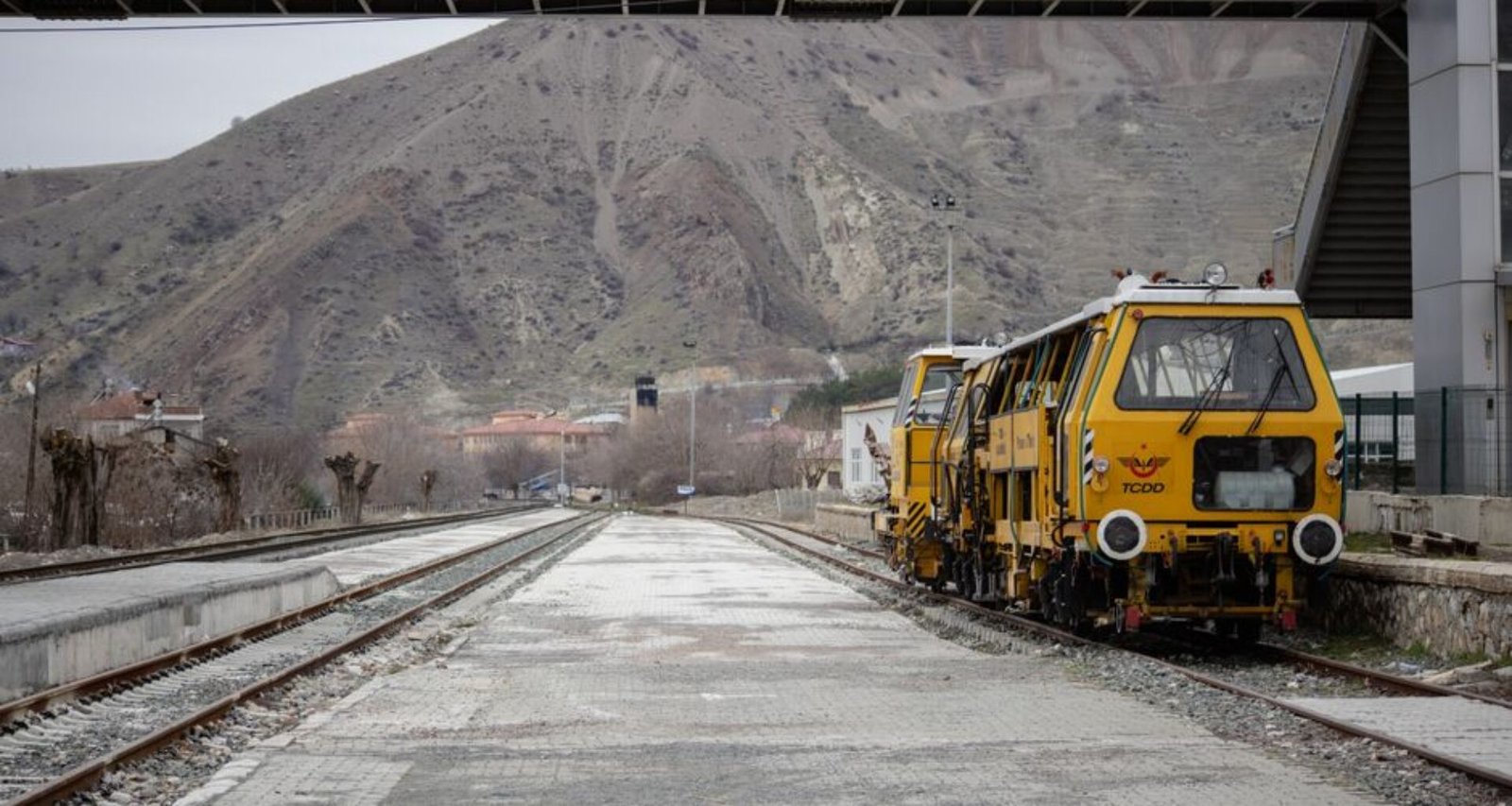
- â¬800 million will be invested in solar panel installations along TCDD corridors
- Target: 40% clean energy for Turkish rail network operations by December 2026
- The solar corridor is slated to cover over 7,000 kilometers of track
The Turkish State Railways (TCDD) has initiated its most ambitious sustainability project to dateâan â¬800 million solar corridor stretching across over 7,000 km of railway lines in Turkey. The project aims to deliver 40% of the networkâs operational energy from solar sources by the end of 2026, in line with Turkeyâs revised National Energy Plan and SDG 7 (Affordable and Clean Energy) objectives.
According to TCDD, the solar panels will be installed on station roofs, maintenance depots, and unused land alongside tracks, maximizing the use of state-owned properties. Engineering firm ASELSAN is named as a key technology partner and will oversee system integration, with completion targets and procurement schedules published for public review.
While the announcement positions Turkey as a regional leader in railway decarbonization, skepticism remains regarding delivery. Previous Turkish infrastructure projects have been criticized for delays and underperformance against initial pledges. As of June 2024, only pilot sites (covering 150 km) are operational; large-scale rollout will be required to meet the 2026 target.
Turkish government officials state that, once completed, the corridor could reduce annual railway emissions by up to 350,000 tons of CO2âthough independent verification is pending. No third-party audit mechanism has been announced, and stakeholders including the European Bank for Reconstruction and Development (EBRD), which partially finances the project, have called for transparent progress measurement to guard against greenwashing.
Frequently Asked Questions
How will the â¬800 million solar corridor be implemented?
The Turkish State Railwaysâ solar corridor will deploy photovoltaic panels on station buildings, depots, and alongside tracks, with infrastructure provided by ASELSAN and local contractors. The initial phase covers 150 km, scaling up to over 7,000 km by late 2026, with periodic progress reports mandated by government decree.
What is the expected impact on Turkeyâs rail sector emissions?
TCDD estimates that when fully operational, the solar corridor will supply 40% of the networkâs energy needs from renewables, potentially reducing annual rail sector emissions by up to 350,000 tons of CO2. Full impact depends on timely rollout and system efficiency.
What safeguards exist against greenwashing and delays?
Stakeholders such as EBRD have requested third-party verification and public reporting to ensure transparency. To date, Turkeyâs government has pledged annual progress disclosures, but independent audit mechanisms are not yet confirmed.
Frequently Asked Questions
What is Turkey’s State Railways’ solar corridor project?
Turkey’s State Railways (TCDD) is investing €800 million to install solar panels along over 7,000 km of railway lines to supply 40% of its operational energy from solar sources by the end of 2026.
How much of the Turkish railway network will be covered by solar panels?
The solar corridor is planned to cover over 7,000 kilometers of track, with only 150 km operational as of June 2024.
Who is the main technology partner for the Turkish railway solar project?
ASELSAN is the main technology partner responsible for system integration in the solar corridor project.
What is the expected reduction in CO2 emissions from the solar corridor?
TCDD estimates the project could reduce annual railway emissions by up to 350,000 tons of CO2 when fully operational.
What measures are in place to ensure transparency and prevent greenwashing in the project?
Stakeholders such as the EBRD have requested third-party verification and public reporting, but no independent audit mechanism has been announced yet.