UN
UN 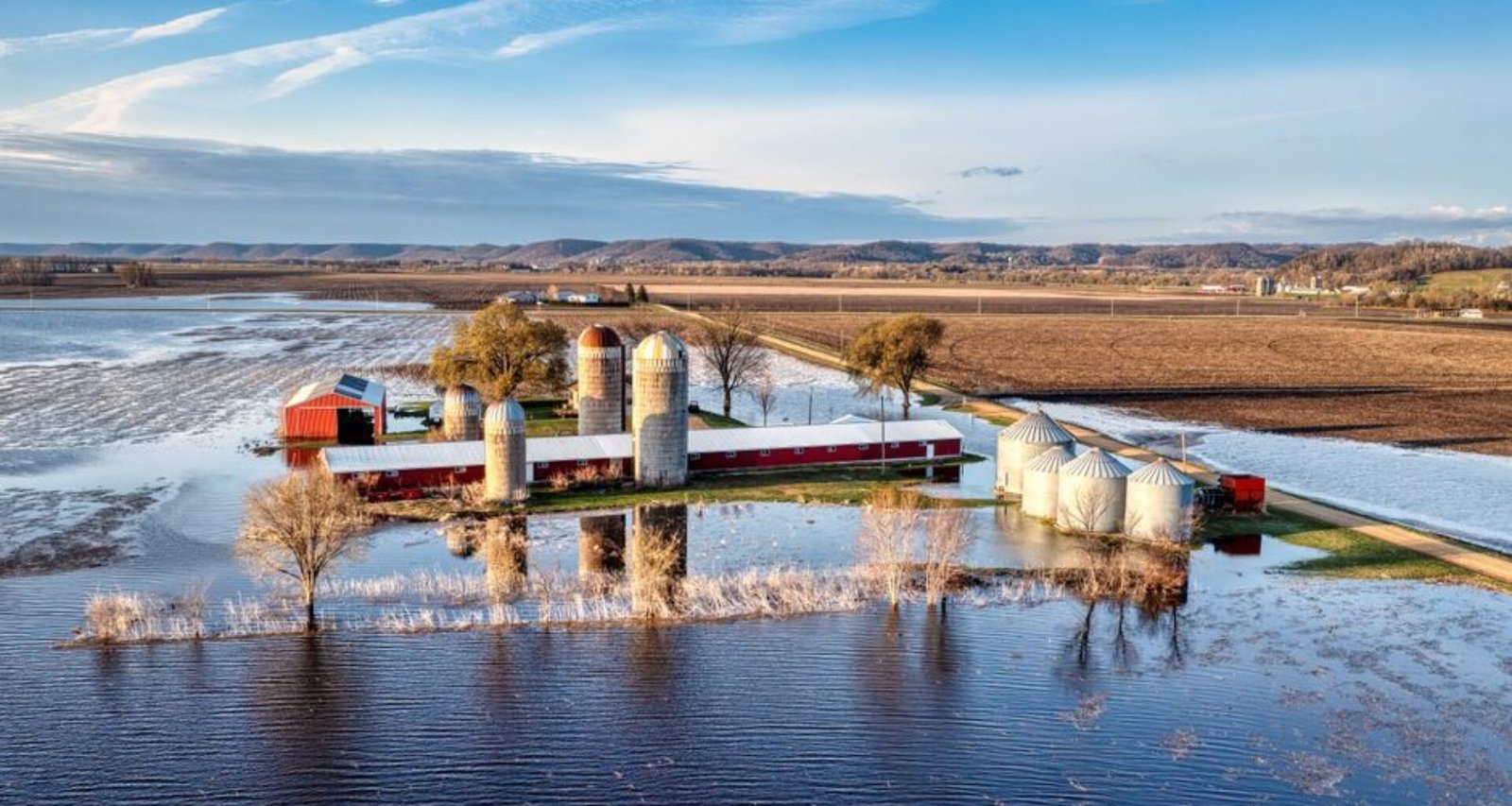
As midday sun beat down on Indianapolis this Saturday, residents in the Riverside neighborhood were still pumping water from basements after this week’s torrential floods swept through Central Indiana. Between Tuesday evening and Thursday morning, the region recorded over 8 inches of rainfall—nearly double the August monthly average—according to the National Weather Service. These extreme downpours left more than 2,000 households without power and disrupted traffic along the White River corridor, underscoring the region’s ongoing vulnerability to intensifying climate impacts.
Local officials from the Marion County Emergency Management Agency confirmed that flash flooding submerged several arterial roads, forcing emergency crews to conduct at least 37 water rescues. While no fatalities were reported, property damage is estimated to exceed $28 million, based on preliminary insurance filings reviewed Friday. Many affected areas are home to low-income families, raising concerns about equitable recovery and the long-term resilience of Central Indiana’s infrastructure.
The city of Indianapolis has previously announced a $160 million stormwater improvement plan, scheduled for phased completion by the end of 2026. However, as of this week, only 22% of those projects have broken ground, according to data from the Department of Public Works. Community advocates argue that bureaucratic delays and limited federal funding have left vulnerable neighborhoods exposed, especially in historically underserved zip codes such as 46208 and 46218.
Industry leaders in the Indiana Builders Association acknowledge mounting pressure to rethink flood resilience in both new developments and retrofits. “We’re seeing insurance underwriters adjusting risk models and premiums almost quarterly now,” said one regional executive who requested anonymity to speak candidly. “Without rapid infrastructure upgrades and climate-adapted codes, the cost of inaction will outpace any short-term savings.”
The flooding has also reignited debate over the state’s approach to green infrastructure, such as permeable pavements and urban wetlands. While city planners have piloted several bioswale projects along the Canal Walk and Fall Creek, these initiatives currently cover less than 4% of the city’s impervious surface area. A spokesperson for the Indiana Department of Environmental Management pointed to new grant opportunities opening later this month, but warned that widespread adoption remains years away without private sector buy-in.
For many residents, the summer’s disruption is not just an inconvenience but a tipping point. On Friday afternoon, families gathered at the Hawthorne Community Center to voice frustration about delayed relief payments and inconsistent communication from local agencies. Volunteers distributed bottled water and cleaning supplies, but several attendees questioned whether state leaders grasp the urgency of the situation. “We can’t wait until 2027 for promises to materialize,” said a community organizer, referencing the city’s long-term resilience targets.
Climate scientists at Purdue University, who have tracked precipitation trends across the Midwest, note that Central Indiana’s annual rainfall has increased by nearly 13% over the past two decades. Their models suggest that events like this week’s flood—once considered “once-in-a-century”—could become 10 times more common by 2040 if emissions are not curbed. The UN’s Sustainable Development Goal 13 (Climate Action) calls for accelerated adaptation efforts, yet local data points to a lag between policy ambition and ground-level progress.
As the region enters the late-summer storm season, experts say that municipal leaders face a crucial test: whether Central Indiana can translate climate pledges into measurable action. Over the next several weeks, city council hearings are expected to focus on fast-tracking critical drainage upgrades, while state officials weigh additional disaster relief allocations. For now, the flooded streets and anxious neighborhoods of Indianapolis serve as a stark reminder that resilience cannot wait for another summer’s end.
Frequently Asked Questions
How much rain fell during the Central Indiana floods in August?
Over 8 inches of rain fell in Central Indiana between Tuesday evening and Thursday morning, nearly double the August average.
What is the estimated property damage from the Central Indiana floods?
Property damage from the floods is estimated to exceed $28 million, affecting more than 2,000 households.
How much progress has been made on Indianapolis’s stormwater improvement projects?
Only 22% of Indianapolis’s $160 million stormwater improvement projects have begun as of this week.
Which Indianapolis zip codes were hardest hit by the flooding?
Historically underserved zip codes 46208 and 46218 were among the hardest hit by flooding.
How has Central Indiana’s annual rainfall changed over the past two decades?
Purdue University scientists report Central Indiana’s annual rainfall has increased by nearly 13% over the past two decades.