UN
UN
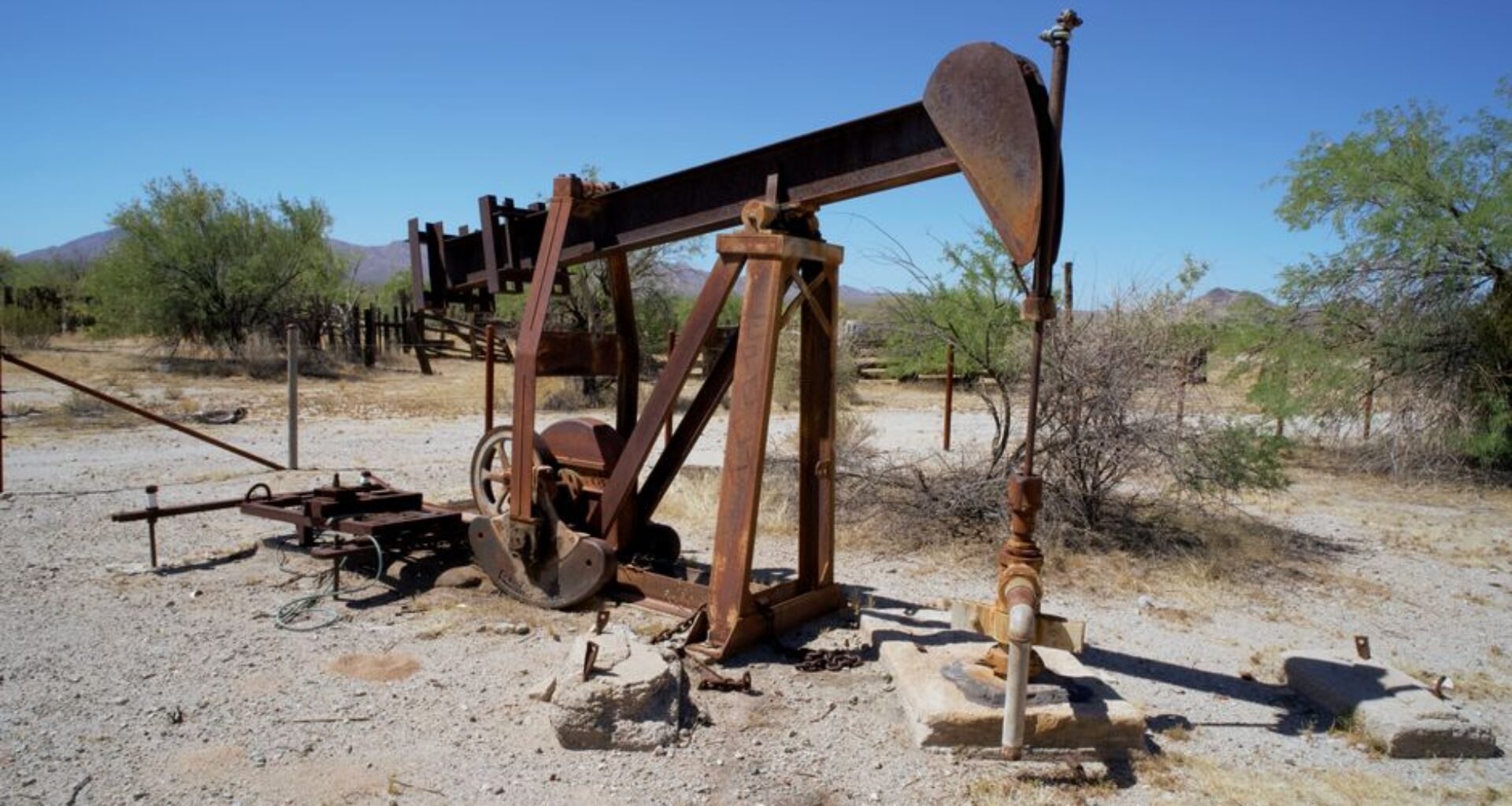

Across the United States, millions of oil and gas wells have been left abandoned, posing significant environmental and public health risks. These derelict wells, often unplugged and unmonitored, continue to leak methane and other hazardous substances, contributing to climate change and groundwater contamination. The practice of abandoning wells, sometimes a calculated move by marginal operators to avoid cleanup costs, has created a pressing challenge for regulators and communities alike.
In Oklahoma, a state with a long history in oil and gas production, organizations and government agencies are collaborating to tackle this issue head-on. Initiatives like the Well Done Foundation are dedicating resources to identify, assess, and safely plug abandoned wells. These efforts are crucial in mitigating methane emissions, a greenhouse gas with a global warming potential over 25 times greater than carbon dioxide over a 100-year period.
The scale of the problem is staggering. Estimates suggest there are more than three million unplugged abandoned wells nationwide, many dating back decades to the early days of oil exploration. These wells are not only environmental hazards but also represent a legacy of regulatory gaps and industry practices that prioritized short-term gains over long-term stewardship.
Addressing this challenge aligns closely with several United Nations Sustainable Development Goals, including SDG 13 (Climate Action), SDG 6 (Clean Water and Sanitation), and SDG 15 (Life on Land). By plugging abandoned wells, the US can reduce harmful emissions, protect ecosystems, and foster healthier communities. However, funding and technical expertise remain major hurdles, underscoring the need for sustained public-private partnerships and policy innovation.
Experts emphasize that proactive remediation of abandoned wells is an essential component of a just and sustainable energy transition. As the world moves toward cleaner energy sources, responsibly managing the environmental legacies of fossil fuels is critical to ensuring that progress toward sustainability is comprehensive and equitable.