UN
UN 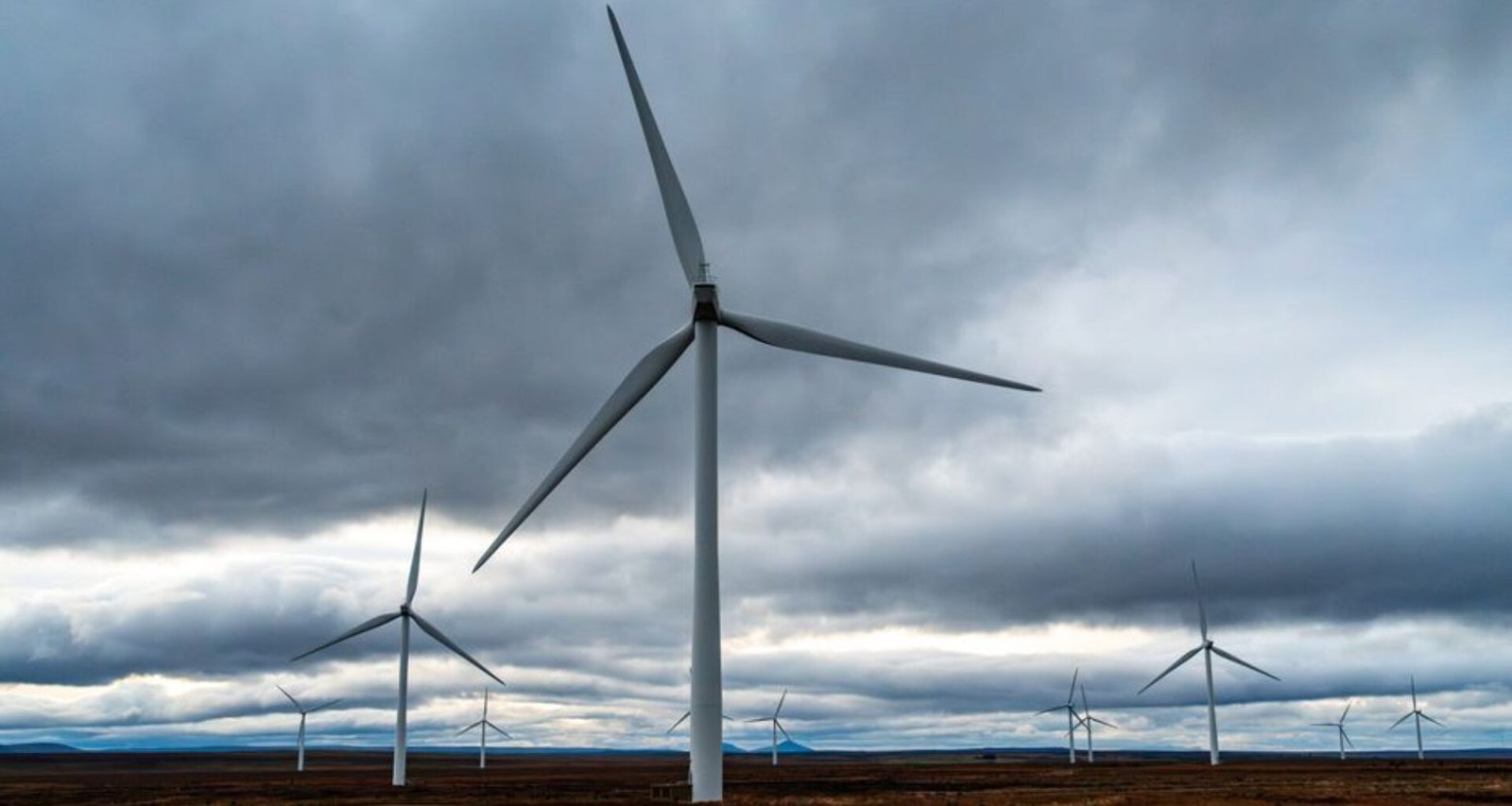
- 400 MW of wind power added to Egypt’s grid in 2024.
- ENRRA aims for 1 GW wind capacity by end of 2026.
- Part of Egypt’s 2030 renewable energy strategy.
The Egyptian government, through the Egyptian Nuclear and Radiological Regulatory Authority (ENRRA), has accelerated deployment of wind energy in 2024 by connecting 400 MW of new capacity to the national grid. This milestone aligns with Egypt’s broader strategy to source 42% of its electricity from renewables by 2030, seeking to address rising energy demand and decarbonization commitments under national and international frameworks. Key projects, including the Gabal El-Zeit and Ras Ghareb wind farms, contribute to this expansion, supported by international financing and technology transfer partnerships.
ENRRA has established an ambitious target of 1 GW installed wind capacity by the end of 2026, more than doubling the newly connected capacity in the next two years. While the 400 MW addition marks progress, this is still less than half of the interim goal, highlighting the need for ongoing investment, grid upgrades, and streamlined permitting processes to maintain project momentum. Egypt’s Ministry of Electricity and Renewable Energy is collaborating with private sector developers and multilateral institutions to facilitate this scale-up.
Despite headline announcements, experts point out that realization of wind capacity targets requires careful monitoring of project delivery versus initial pledges. Past delays in grid connection and regulatory bottlenecks have impacted project timelines in Egypt. The current 400 MW integration reflects concrete progress, but SDG researchers caution against greenwashing and emphasize the importance of transparent reporting on operational output, rather than installed but idle capacity.
Frequently Asked Questions
What role does ENRRA play in Egypt’s wind energy expansion?
ENRRA is the principal regulatory body overseeing nuclear and radiological safety, but it also manages aspects of grid integration and permits for large-scale renewable projects. ENRRA’s leadership is critical for ensuring that new wind installations meet safety and technical standards, and that capacity targets like the 1 GW by 2026 are feasible and properly monitored.
How does the 400 MW connected in 2024 compare to Egypt’s overall renewable goals?
The 400 MW of wind capacity brought online in 2024 represents approximately 40% progress toward ENRRA’s 1 GW wind target for 2026. However, wind is only one component; Egypt aims for 42% renewables in its power mix by 2030, requiring sustained growth from wind, solar, and hydro sources.
Is Egypt on track to meet its 2026 and 2030 renewable energy targets?
The connection of 400 MW wind capacity is a positive step, but Egypt must more than double this rate of wind deployment to reach the 1 GW ENRRA target by 2026. While recent progress is tangible, the sector faces challenges including financing, permitting, and grid integration that must be addressed for targets to be met.
Frequently Asked Questions
How much wind power did Egypt add to its grid in 2024?
Egypt added 400 MW of wind power to its national grid in 2024.
What is ENRRA’s wind capacity target for Egypt by 2026?
ENRRA has set a target of 1 GW installed wind capacity by the end of 2026.
What percentage of electricity does Egypt aim to source from renewables by 2030?
Egypt aims to source 42% of its electricity from renewables by 2030.
Which wind farms are key to Egypt’s wind energy expansion?
Key wind projects include the Gabal El-Zeit and Ras Ghareb wind farms.
What challenges does Egypt face in expanding its wind energy sector?
Ongoing challenges include financing, permitting, and grid integration.