UN
UN 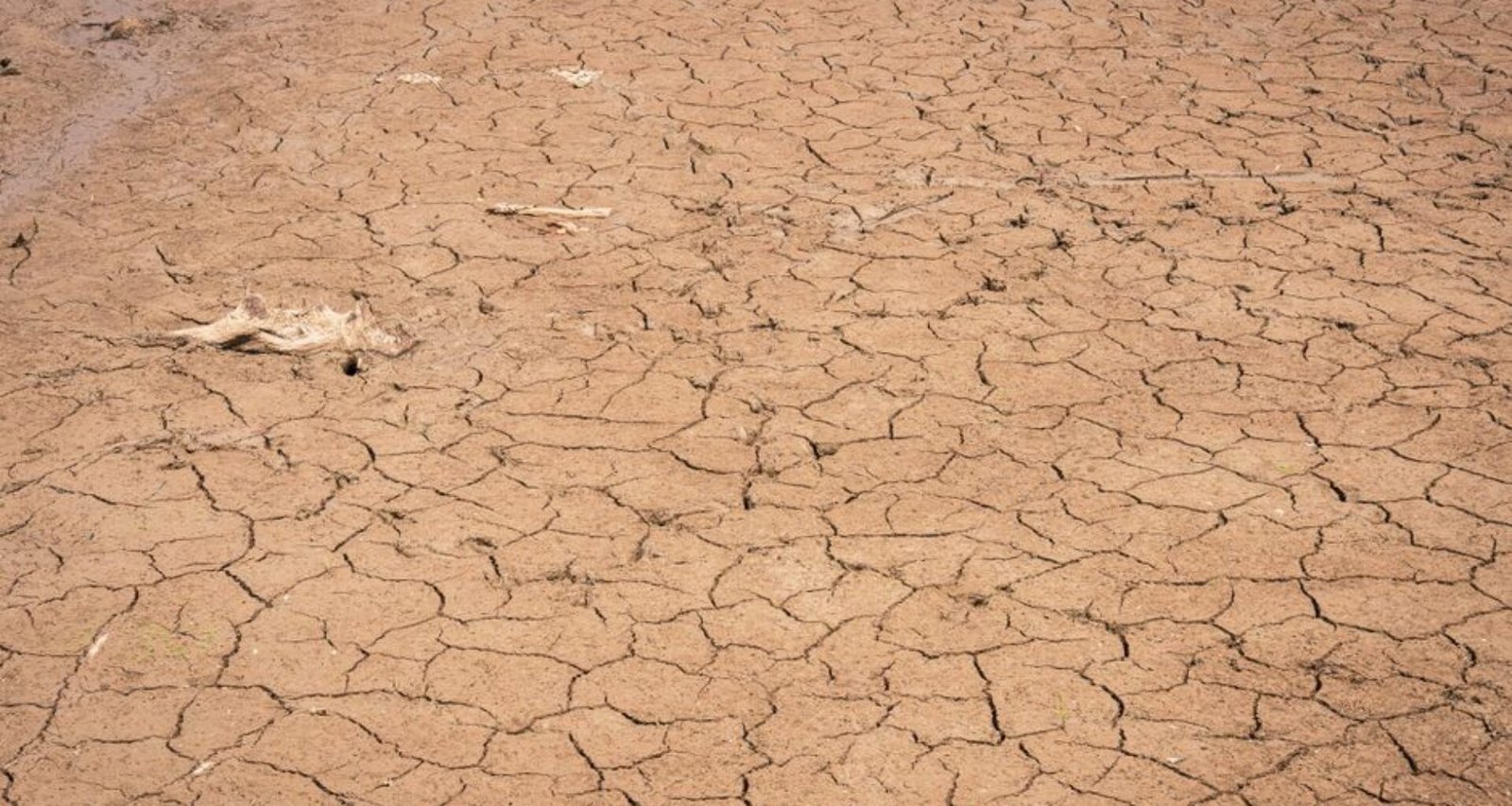
On Saturday morning, long lines formed outside community water stations in Quezon City as Manila’s municipal supply entered its third week of rolling restrictions. The Philippine Atmospheric, Geophysical and Astronomical Services Administration (PAGASA) confirmed that the ongoing El Niño event is amplifying drought and heat extremes across Luzon, pushing local water reserves down by 30% compared to last month.
The government’s National Disaster Risk Reduction and Management Council (NDRRMC) issued a red alert for 12 provinces on Thursday, citing a spike in wildfires and a 40% drop in staple crop yields since June. In Ilocos Norte, rice farmers are racing to salvage parched fields, with the Department of Agriculture estimating $210 million in agricultural losses so far this summer.
The Philippines is no stranger to climate volatility, but this season’s El Niño—one of the strongest recorded since satellite monitoring began—has triggered a new level of urgency. President Marcos Jr. convened an emergency cabinet meeting last week, pledging to accelerate the rollout of drought-resilient infrastructure and expand water rationing efforts in the capital. However, civil society groups have criticized the response as reactive, citing a lack of long-term adaptation investments despite repeated warnings from climate scientists.
With August’s typhoon season looming and heat advisories expected to persist, the sustainability of food and water supplies has become a central concern for both local authorities and international partners. The United Nations Office for the Coordination of Humanitarian Affairs (OCHA) has signaled potential support for relief operations if the crisis deepens. Meanwhile, sustainability analysts are urging the government to track emergency relief spending against SDG targets to avoid greenwashing and ensure measurable adaptation progress by the end of 2026.
Frequently Asked Questions
How is El Niño affecting water supply in Manila?
El Niño is amplifying drought and heat extremes in Manila, leading to three weeks of rolling water restrictions and a 30% drop in local water reserves compared to last month.
What impact has the drought had on Philippine agriculture?
Staple crop yields have dropped by 40% since June, and rice farmers in Ilocos Norte have suffered an estimated $210 million in agricultural losses so far this summer.
What emergency actions has the Philippine government taken in response to the water crisis?
The government has issued a red alert for 12 provinces, expanded water rationing, and pledged to accelerate drought-resilient infrastructure following an emergency cabinet meeting.
Why are civil society groups criticizing the government’s response to the drought?
Civil society groups argue the response is reactive and lacks long-term adaptation investments, despite repeated warnings from climate scientists.
Is international assistance being considered for the Philippines’ drought crisis?
The United Nations Office for the Coordination of Humanitarian Affairs (OCHA) has indicated it may support relief operations if the situation worsens.