


 UN
UN 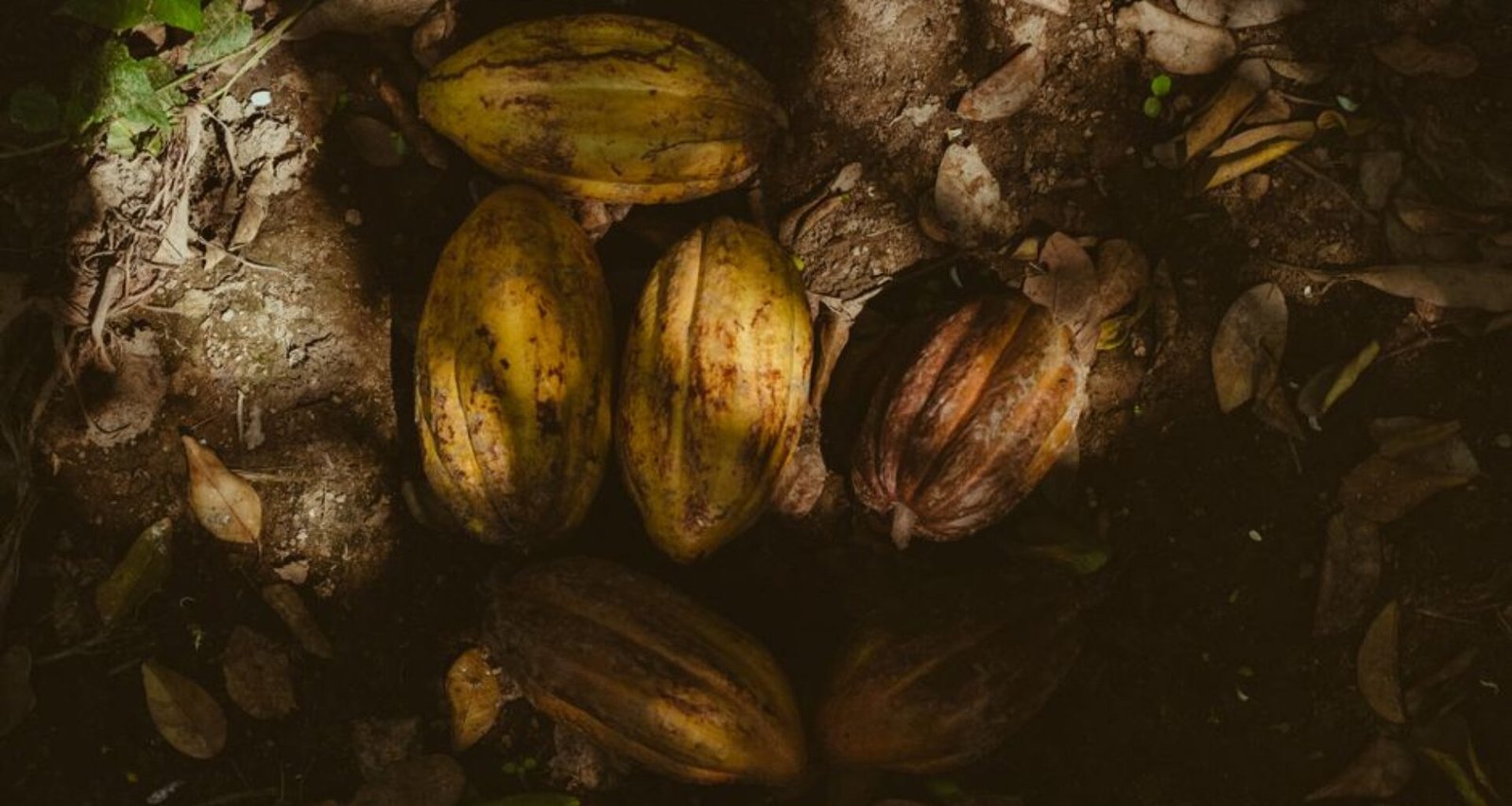
On Saturday morning, local monitors in Grand Gedeh County reported fresh clearings along the edge of Liberia’s Sapo National Park, underscoring a growing concern among conservationists: the rapid advance of cacao farms into the country’s dwindling Upper Guinean rainforest. Liberia currently holds over 40% of West Africa’s surviving rainforest, but field data from the Forestry Development Authority (FDA) suggest more than 6,000 hectares have been lost in the southeast since January 2026 alone.
The surge in forest clearance is closely linked to international demand for cacao, a key export that sustains thousands of rural livelihoods but increasingly drives land conversion. Traders at Zwedru’s Sunday market cited rising bean prices—up 18% since March 2026—as a major incentive for local farmers to expand plots deeper into primary forest. While the Liberian Ministry of Agriculture launched a sustainable cacao initiative in April, on-the-ground enforcement remains sporadic, with just 12 forest rangers patrolling over 1,800 square kilometers in Grand Gedeh.
International NGOs, including Fauna & Flora International, have warned that these trends threaten both biodiversity and climate targets under Liberia’s 2026 Nationally Determined Contribution. The Upper Guinean rainforest is a critical carbon sink and home to endangered species such as the pygmy hippopotamus. Yet, satellite analysis shared last week at a Monrovia stakeholder roundtable showed that forest fragmentation is accelerating, with canopy cover in southeastern Liberia declining by an estimated 2.3% in the second quarter of 2026.
Corporate sustainability pledges from cocoa buyers have yet to yield measurable results in Grand Gedeh. While two major exporters announced zero-deforestation sourcing policies earlier this season, independent audits found little verification at the smallholder level. Policy researchers at the University of Liberia have flagged this gap as a classic case of greenwashing, stressing an urgent need for transparency and community engagement.
As the rainy season peaks and planting continues, stakeholders are calling for immediate investment in agroforestry training and alternative income programs to slow deforestation. All eyes will be on next month’s National Forest Forum in Buchanan, where government, industry and civil society are scheduled to debate stricter enforcement measures and incentives for forest protection through to the end of 2026.
Frequently Asked Questions
How much rainforest has been lost in Grand Gedeh, Liberia due to cacao expansion since January 2026?
Over 6,000 hectares of rainforest have been lost in southeastern Liberia, mainly due to cacao expansion, since January 2026.
Why are farmers in Grand Gedeh clearing more rainforest for cacao farming?
Farmers are clearing more rainforest because cacao bean prices in Zwedru’s market have risen 18% since March 2026, incentivizing further forest clearance.
How many forest rangers are patrolling Grand Gedeh County, and what area do they cover?
Only 12 forest rangers patrol over 1,800 square kilometers in Grand Gedeh County.
What endangered species are threatened by deforestation in Liberia’s Upper Guinean rainforest?
Endangered species such as the pygmy hippopotamus are threatened by ongoing deforestation in the Upper Guinean rainforest.
Have corporate sustainability pledges reduced deforestation from cacao farming in Grand Gedeh?
No, corporate sustainability pledges from cocoa buyers have not yielded measurable results in Grand Gedeh, with independent audits finding little verification at the smallholder level.