UN
UN
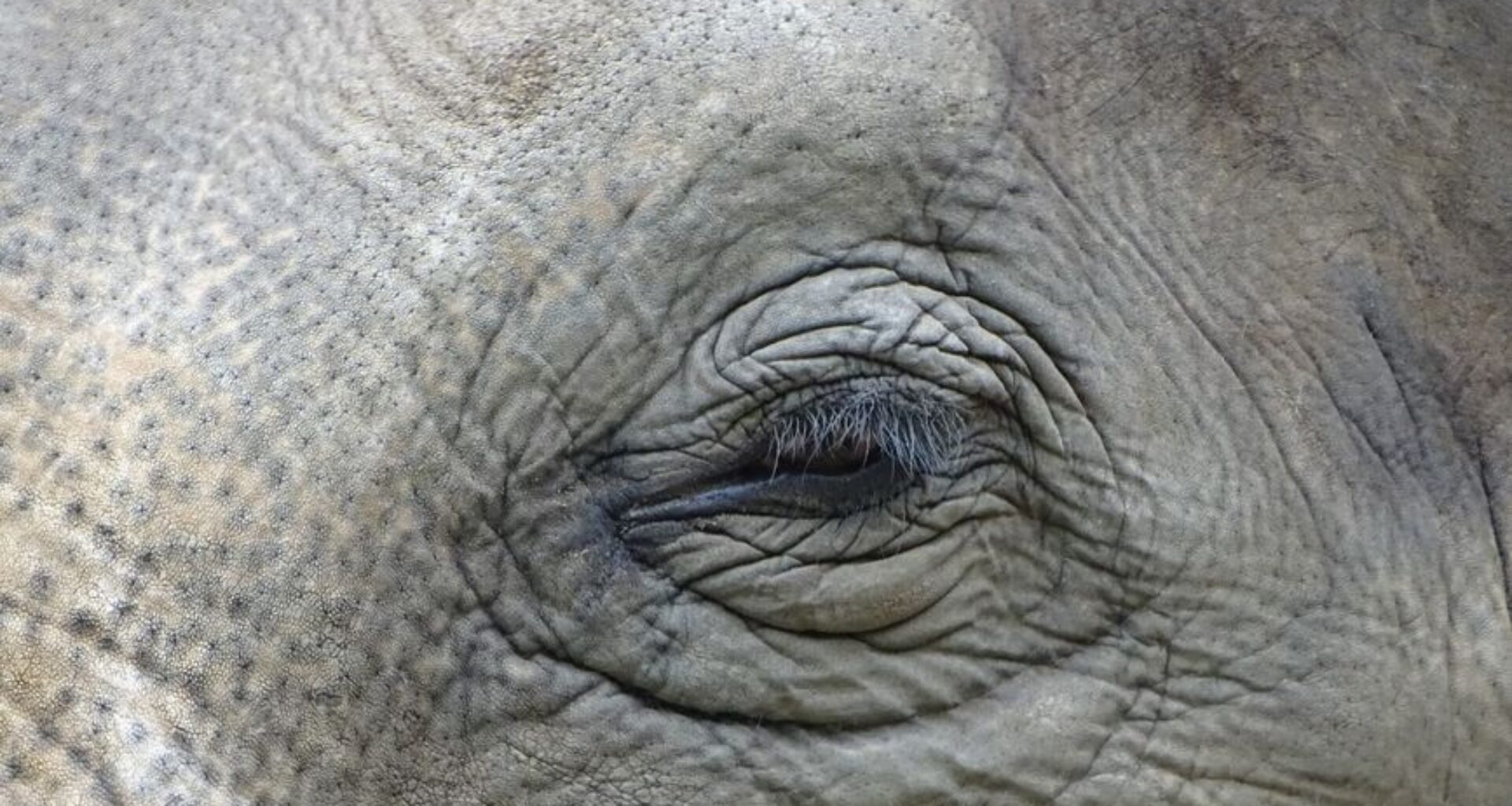
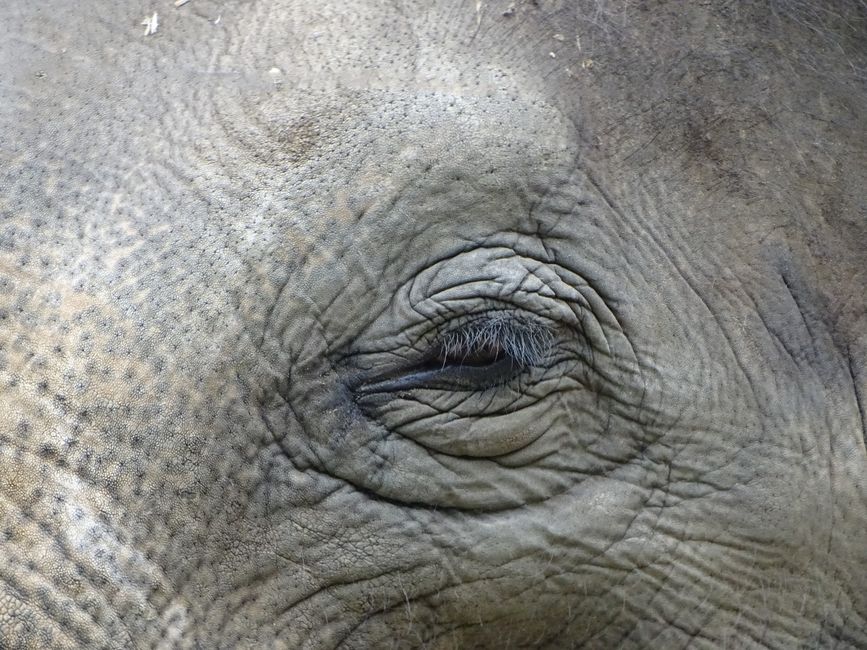
Traditional conservation efforts have long prioritized measurable factors such as population size and habitat range to evaluate the success of protecting endangered species. However, emerging research is challenging this quantitative focus by emphasizing the emotional and cognitive experiences of animals, particularly elephants, as vital components in conservation strategies. Since the mid-2000s, scientists have increasingly investigated how trauma, memory, and emotional well-being influence animal populations, urging a more holistic approach to species preservation.
Khatijah Rahmat, a geographer affiliated with the Max Planck Institute for the History of Science, recently discussed her pioneering research on elephants’ perception of time and memory during a Mongabay podcast. Her work suggests that elephants possess a profound sense of temporal awareness and recall traumatic events, which deeply affect their social structures and behaviors. Recognizing these cognitive capacities is critical for designing conservation policies that do not merely focus on numbers but also consider the psychological health and social integrity of elephant communities.
Elephants’ ability to remember past experiences, including threats such as poaching or habitat disruption, means that conservation interventions must address not only immediate physical threats but also the long-term emotional impacts on these animals. Rahmat’s research highlights the importance of creating protected environments that allow elephants to maintain their social bonds and cultural knowledge, which are essential for their survival and well-being.
This paradigm shift aligns with broader calls within the conservation community to integrate animal welfare with biodiversity preservation. By understanding how elephants experience trauma and time, conservationists can develop more effective, empathetic strategies that respect these sentient beings’ complex inner lives. This approach offers the potential to improve conservation outcomes while fostering ethical stewardship of wildlife, advancing the goals of sustainable development and biodiversity protection outlined in the United Nations Sustainable Development Goals.