



 UN
UN 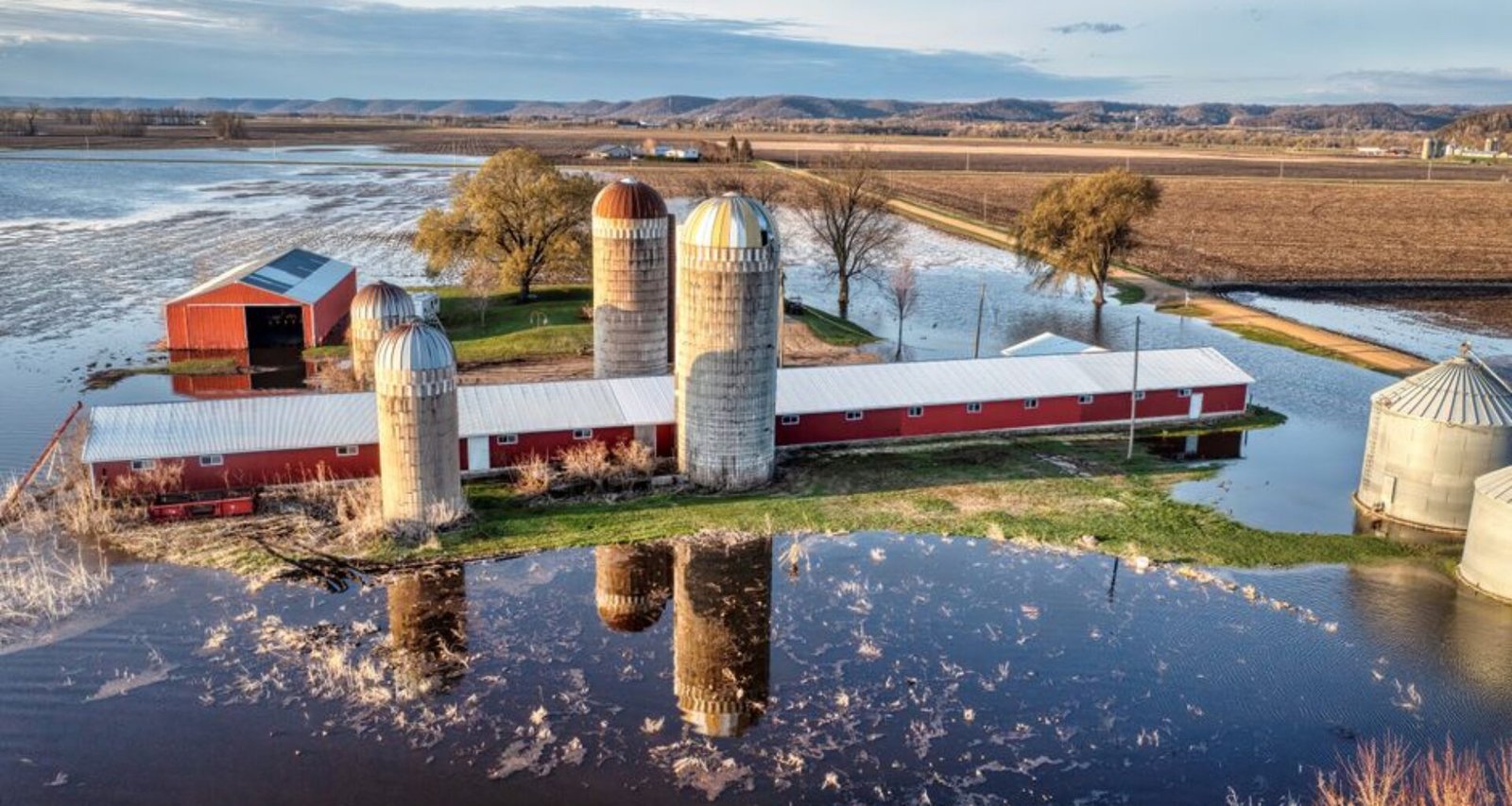
On Wednesday morning, floodwaters surged through the streets of Evansville, Indiana, forcing emergency crews to evacuate more than 200 residents from their homes before sunrise. City officials reported rainfall totals exceeding 180 mm overnight—more than double the August average—swelling the Ohio River and overwhelming stormwater systems built in the 1980s. The deluge left downtown storefronts shuttered and schools closed for the rest of the week, with damage estimates already surpassing $45 million as of Friday afternoon.
Regional meteorologists have linked the event to a growing pattern of extreme summer weather across the Midwest. “What we’re seeing this August in Indiana is not isolated—it’s part of a broader trend,” explained a climate scientist at Purdue University, requesting anonymity due to ongoing research. The National Weather Service confirmed that average summer precipitation in Indiana has increased by 15% over the last decade, with this week’s flood marking the third major inundation in the state since early June.
The hardest-hit neighborhoods, including Pigeon Township and the Riverside Historic District, house a disproportionate number of low-income and elderly residents. Many families found themselves trapped in single-story homes as water levels rose, highlighting ongoing disparities in disaster preparedness and access to safe housing. Local non-profit partners, such as Hoosier Action, mobilized volunteers to provide temporary shelter, but by Saturday evening, hundreds remained displaced, underscoring the region’s limited capacity to respond to climate-driven emergencies.
Indiana’s infrastructure, much of which predates current climate risk models, is under renewed scrutiny as the state enters the peak of hurricane season. City engineers admitted that existing culverts and levees were designed for mid-20th century rainfall patterns, not the intense downpours of recent summers. State legislators last updated floodplain management guidelines in 2022, but implementation has lagged, with only 37% of municipalities fully compliant as of July 2026.
In the immediate aftermath, Governor Eric Holcomb called for accelerated investment in green infrastructure, pledging $200 million in new state funding for stormwater upgrades and urban wetlands restoration over the next 18 months. However, climate advocates warn that these announcements must be followed by transparent timelines and measurable milestones. “We see a lot of pledges after disasters, but Indiana needs to show delivery, not just intent,” said a policy analyst at the Environmental Law & Policy Center on Friday.
The insurance industry is also watching closely. With payouts for flood-related claims in Indiana now projected to top $300 million this year, several underwriters are reassessing coverage policies for at-risk counties. Local businesses, particularly along the Evansville riverfront, face mounting costs as premiums rise and flood exclusions become more common. The Indiana Chamber of Commerce has urged state and federal leaders to expedite permitting for resilience upgrades, warning that prolonged disruption could dampen economic growth into 2027.
Nationally, the U.S. Army Corps of Engineers has been tasked with conducting a regional vulnerability assessment by November 2026. Early drafts suggest that more than 40% of Indiana’s public infrastructure is rated as “high risk” for future flood events, with the greatest exposure in urban corridors. The Department of Housing and Urban Development is expected to release new community resilience grants later this month, targeting cities like Evansville and Fort Wayne for pilot adaptation projects.
For now, the mood in Indiana’s flood zones remains tense as the state braces for more storms later this summer. Residents are gathering at local community centers for recovery briefings, seeking clarity on when they can return home. As the peak of the season approaches, the urgency of translating climate pledges into practical, on-the-ground solutions is more apparent than ever. The coming weeks will be critical in determining whether Indiana’s response marks a turning point or another missed opportunity in U.S. climate adaptation.
Frequently Asked Questions
How much rain fell during the Evansville, Indiana flood in August?
Over 180 mm of rain fell overnight in Evansville, more than double the August average.
How much damage did the Indiana flood cause?
Damage estimates from the flood have surpassed $45 million as of Friday afternoon.
How has Indiana’s summer precipitation changed over the last decade?
Indiana has experienced a 15% increase in average summer precipitation over the last decade.
What percentage of Indiana municipalities are compliant with updated floodplain management guidelines?
Only 37% of Indiana municipalities are fully compliant with updated floodplain management guidelines as of July 2026.
What actions has Governor Eric Holcomb pledged in response to the flooding?
Governor Eric Holcomb pledged $200 million for stormwater and wetlands upgrades over the next 18 months.