UN
UN
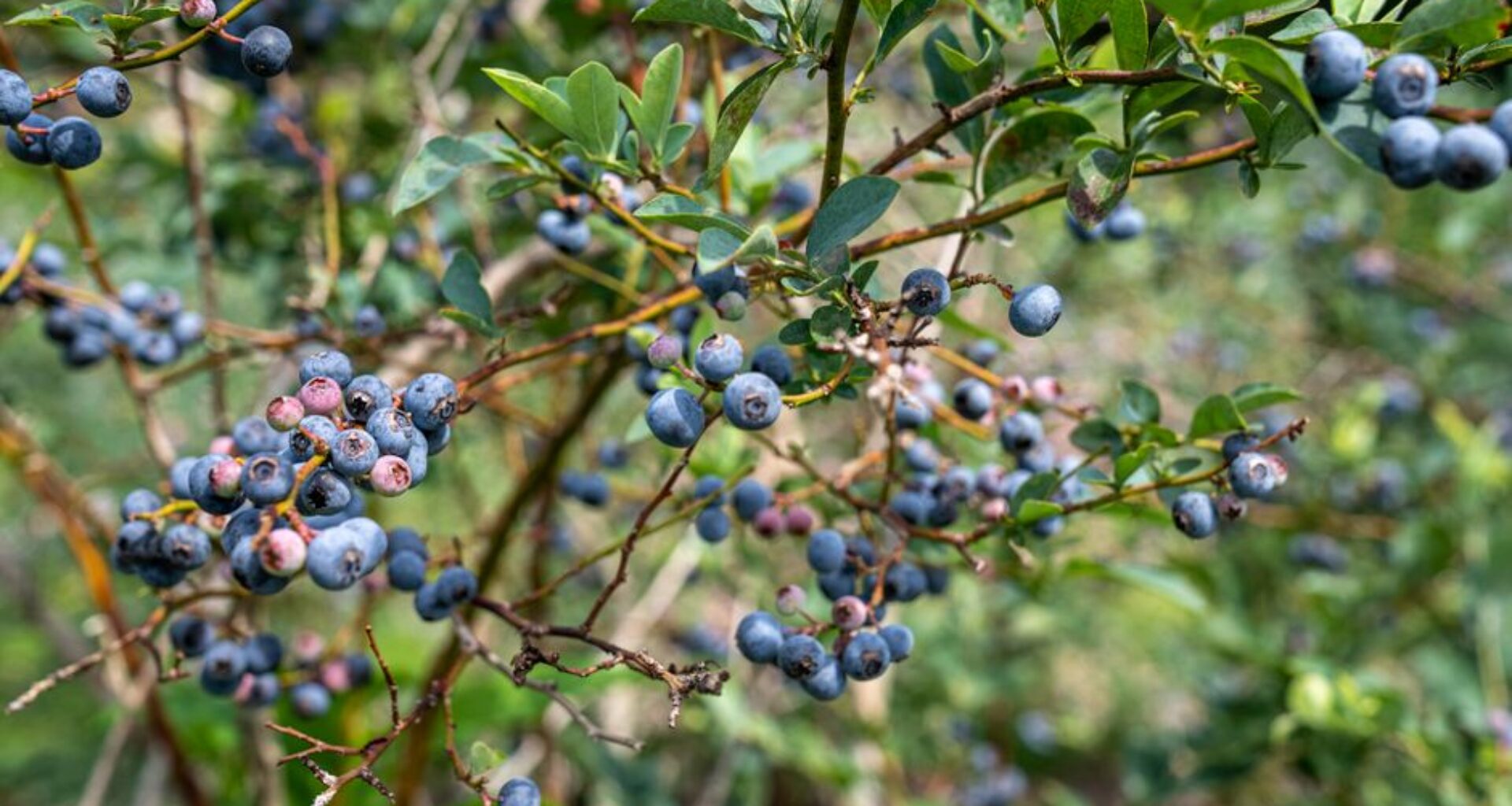
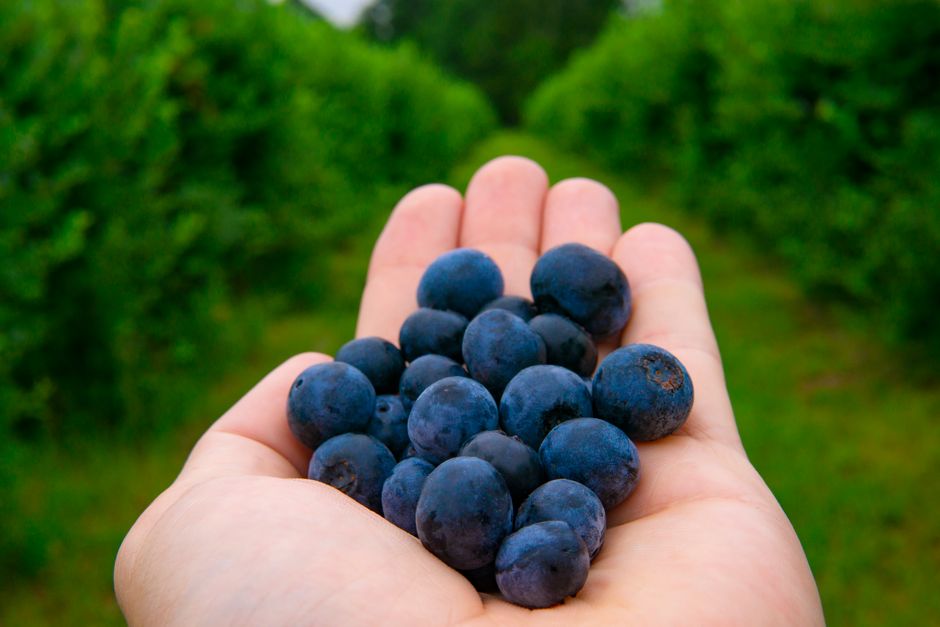
Wild blueberry farms across Maine, a key hub for this iconic fruit, are experiencing unprecedented challenges as climate change disrupts traditional growing seasons. Last summer, vineyards at Crystal Spring Farm near Brunswick witnessed an early onset of leaf color change, a telltale sign of plant stress. Severe drought conditions gripped much of Maine, causing blueberry plants to prematurely shift into dormancy and resulting in shriveled berries that failed to fully ripen.
Farmers like Seth Kroeck, who manages Crystal Spring Farm, report that these climatic disruptions are not isolated incidents but part of a worrying trend. The altered growing cycles and increased water stress threaten both the volume and quality of wild blueberry harvests, which have long been integral to Maine’s agricultural economy and cultural heritage.
This situation underscores the broader impacts of climate variability on crop resilience and food security, aligning with the Sustainable Development Goals (SDGs) related to climate action (SDG 13), sustainable agriculture (SDG 2), and economic growth (SDG 8). Experts highlight that rising temperatures, coupled with erratic precipitation patterns, intensify drought risks in the northeastern United States, demanding adaptive strategies for farmers.
Efforts to mitigate these impacts include exploring drought-resistant blueberry varieties, improving water management practices, and investing in research to better understand ecological responses to climate stressors. However, farmers emphasize that without significant reductions in global greenhouse gas emissions, local adaptation may only partially offset the ongoing damage.
Maine’s wild blueberry industry thus exemplifies the urgent need for integrated climate resilience policies that support agricultural communities while addressing the root causes of climate change. Protecting these farms is not only vital for sustaining local economies but also for preserving biodiversity and maintaining cultural identity linked to this unique crop.