UN
UN 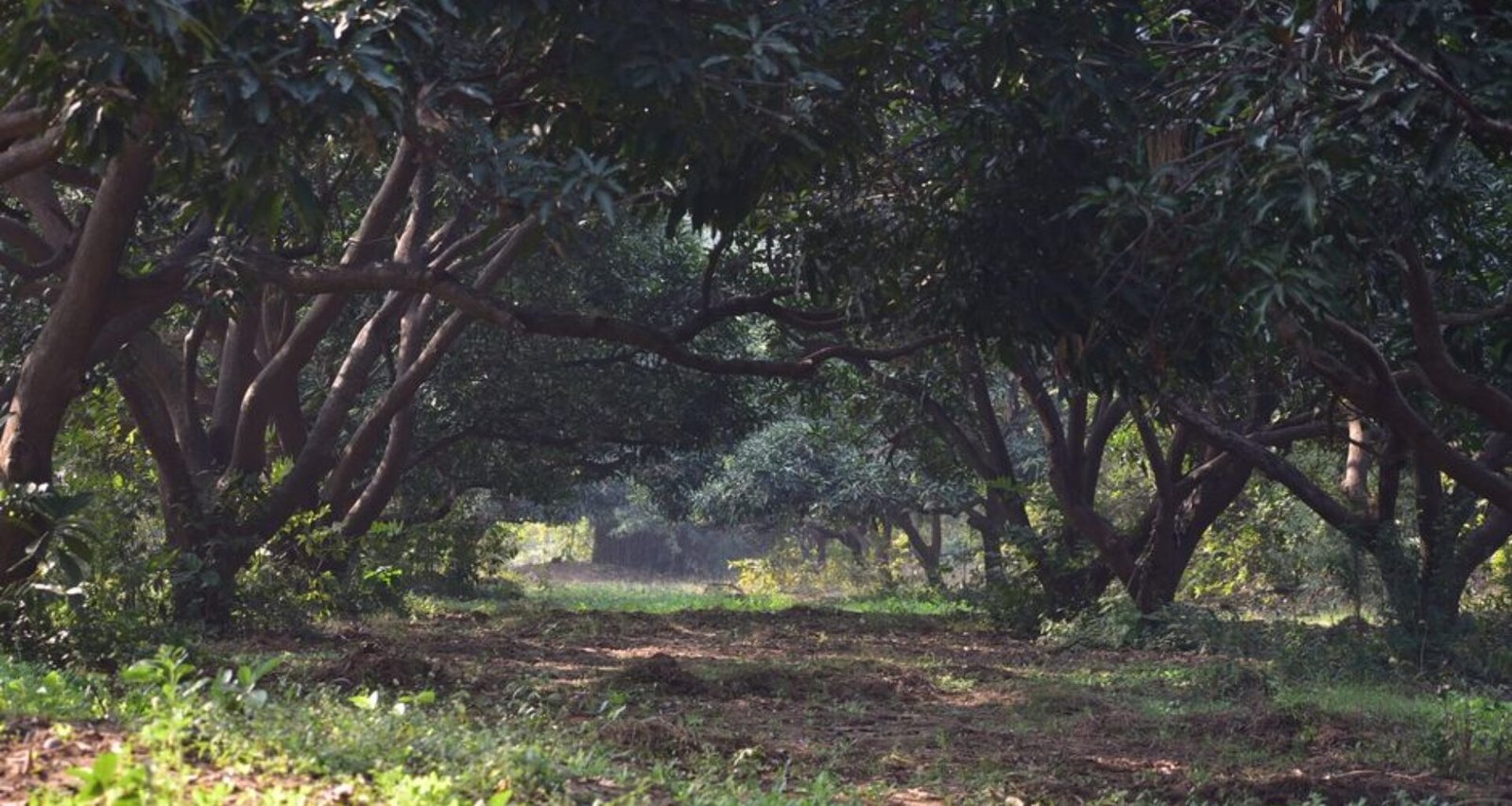
On a humid Wednesday afternoon in Maharashtra’s Ratnagiri district, the shade beneath an ancient Terminalia bellirica in the village of Amboli is noticeably cooler than the sun-baked tea stalls lining the main road. This tree, like dozens of others clustered in a sacred grove nearby, is part of a centuries-old tradition where local communities have safeguarded patches of old forest as sites of worship and cultural memory.
A peer-reviewed study, released this week by ecologists from the Centre for Ecological Sciences at the Indian Institute of Science, Bengaluru, found that these sacred groves—typically spanning 1 to 20 hectares—are outperforming even the region’s national parks when it comes to regenerating native tree species and storing carbon. Surveying 38 groves across the Western Ghats, researchers recorded an average of 30% higher sapling density and 18% more tree species diversity than in adjacent protected forests managed by government agencies.
The Western Ghats, a UNESCO World Heritage site running parallel to India’s west coast, is a global biodiversity hotspot under significant pressure from urbanization and agriculture. National parks like Bhimashankar and Kudremukh have received substantial government investment in the past five years, but the study’s lead author, Dr. Anusha Kamat, notes that “community stewardship, not just legal protection, has delivered the most resilient forest patches we observed.”
SDG 15—Life on Land—calls for the protection, restoration, and promotion of sustainable use of terrestrial ecosystems by 2030. Yet, as of July 2026, India’s Ministry of Environment, Forest and Climate Change has not formally recognized sacred groves within its national monitoring frameworks, meaning their contribution to national biodiversity targets remains undercounted. Local NGOs, including the Sacred Grove Conservation Network, are now urging the government to allocate at least INR 100 million (approximately $1.2 million USD) in the next budget cycle for grove mapping and community partnerships.
With monsoon rains swelling across the Ghats this week, villagers gather for annual temple festivals beneath the forest canopy, highlighting the ongoing cultural relevance of these micro-reserves. As the global community reevaluates nature-based solutions ahead of the next SDG milestone, the evidence from India’s sacred groves suggests that indigenous and local governance models deserve renewed attention and support.
Frequently Asked Questions
What are sacred groves in India’s Western Ghats?
Sacred groves are patches of old forest traditionally protected by local communities as sites of worship and cultural memory, typically spanning 1 to 20 hectares.
How do sacred groves compare to government-managed parks in forest regeneration?
Sacred groves in the Western Ghats have 30% higher sapling density and 18% more tree species diversity than adjacent protected forests managed by government agencies.
Has the Indian government formally recognized sacred groves in national conservation frameworks?
As of July 2026, India’s Ministry of Environment, Forest and Climate Change has not formally recognized sacred groves within its national monitoring frameworks.
Who conducted the study on sacred groves in the Western Ghats?
The study was conducted by ecologists from the Centre for Ecological Sciences at the Indian Institute of Science, Bengaluru.
What are local NGOs requesting from the government regarding sacred groves?
Local NGOs are urging the government to allocate at least INR 100 million (approximately $1.2 million USD) for mapping sacred groves and supporting community partnerships.