



 UN
UN
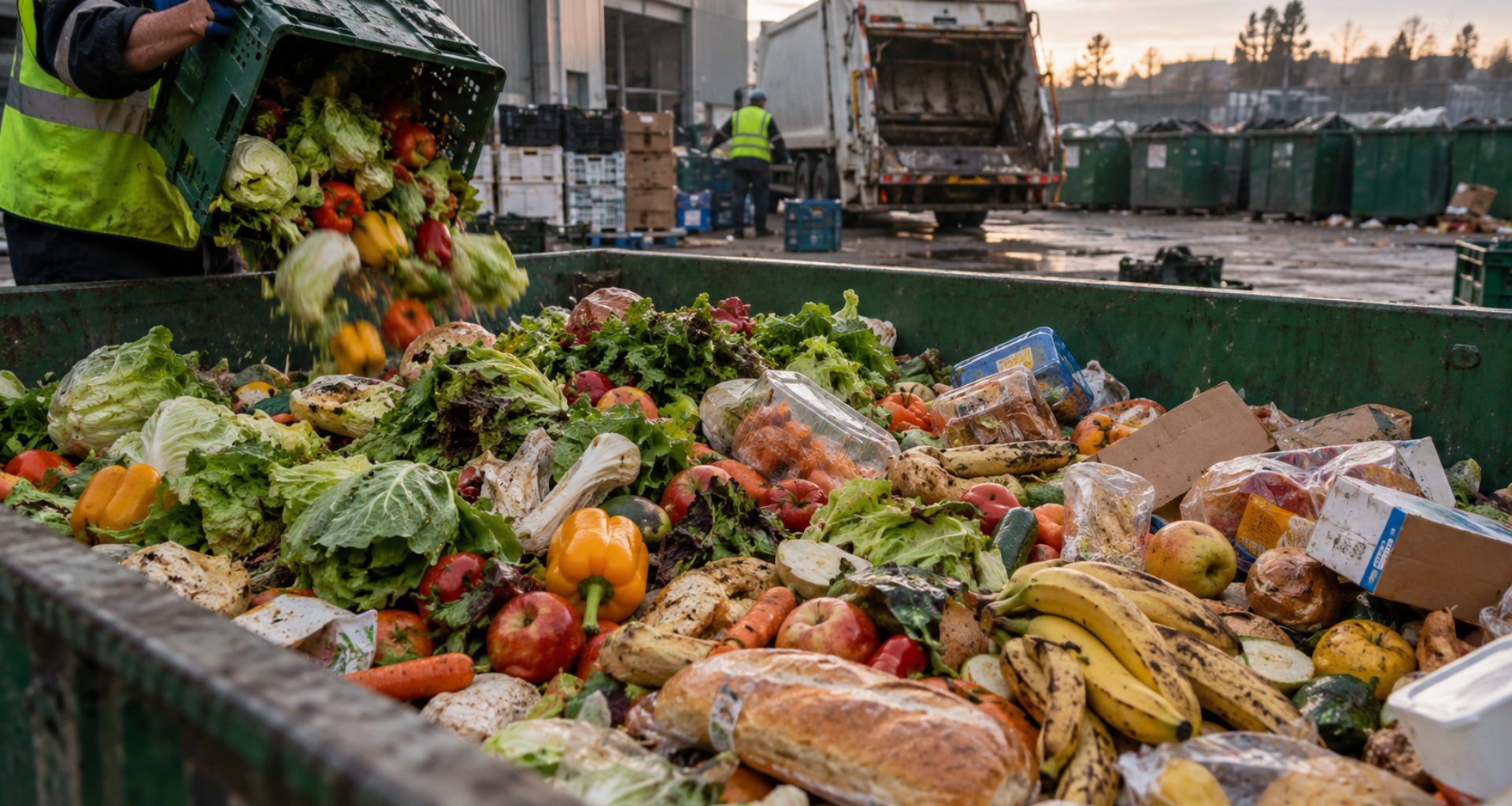
The United Nations has emphasized that food loss and waste are significant contributors to global greenhouse gas emissions. Food that is produced but never consumed leads to the waste of natural resources and accelerates climate change.
Food losses occurring during production, transportation, storage, and consumption continue to pose a major challenge to sustainable development worldwide.
According to UN data, food loss and waste account for approximately 8–10% of global greenhouse gas emissions.
Organic waste decomposing in oxygen-deprived conditions at landfills releases methane, a powerful greenhouse gas, into the atmosphere.
Reducing Food Waste Can Help Achieve Climate Goals
Reducing food loss is important not only for environmental protection but also for food security and the efficient use of economic resources.
Under the United Nations Sustainable Development Goals, the target is to halve per capita food waste at the retail and consumer levels by 2030.
Experts point out that food waste can be reduced through more efficient supply chains, proper storage methods, and increased consumer awareness.