


 UN
UN 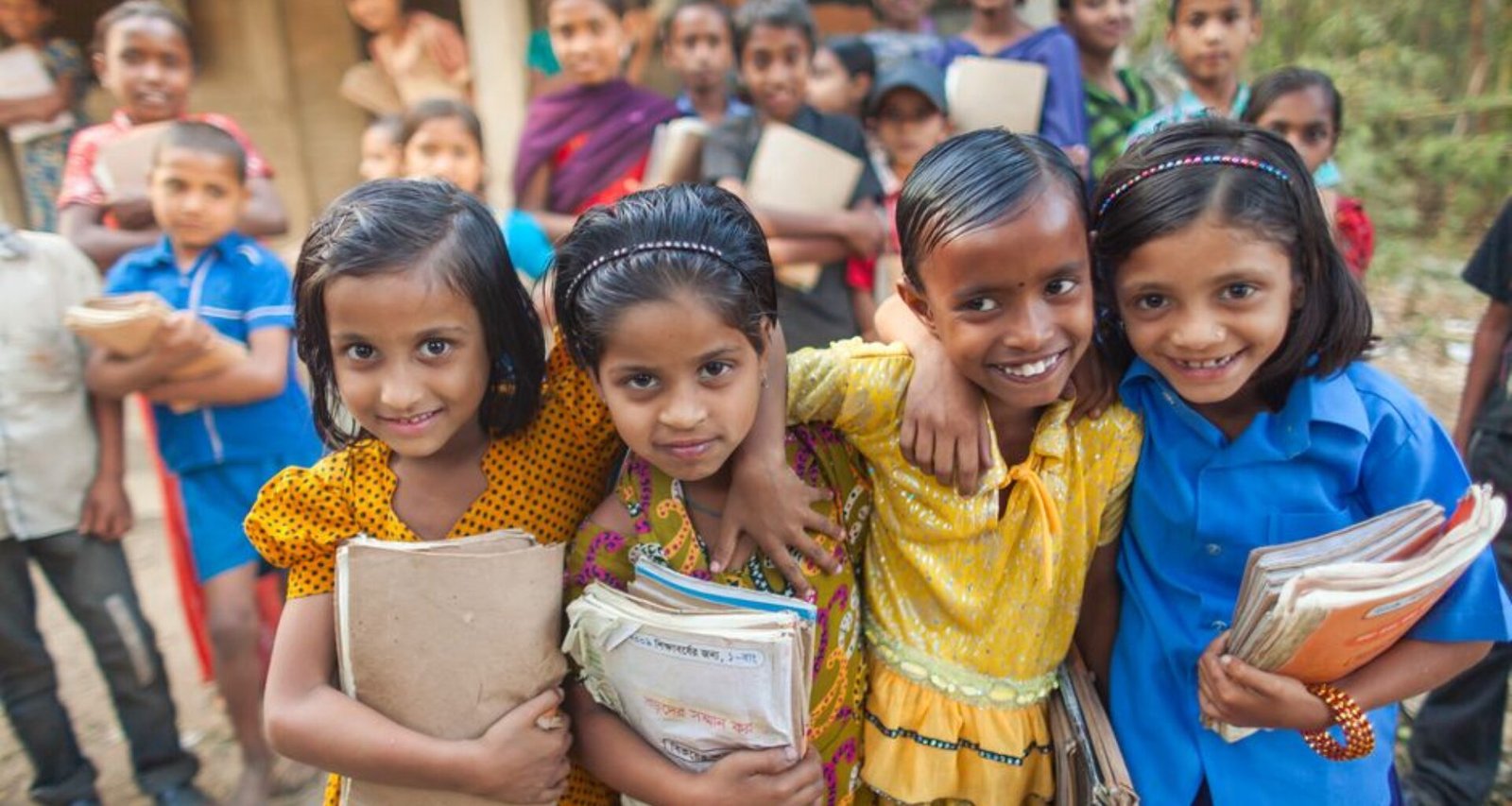
- Save the Children’s Lagos initiative targets 25,000 girls for enrollment by next semester.
- The programme carries a $15 million budget with delivery commitments to 2026.
- Focus is on measurable progress, with independent evaluation mechanisms announced.
The Girls’ Education Accelerators, launched this week by Save the Children in Lagos, Nigeria, represent one of the region’s largest recent investments focused explicitly on advancing SDG 4 (Quality Education) and SDG 5 (Gender Equality) for adolescent girls. Announced as a $15 million initiative, the programme aims to support the enrollment and retention of 25,000 girls in primary and lower secondary education by the next academic semester. This scale-up follows pilot interventions in Ogun State that reportedly increased girls’ attendance by 30% over two years, according to project documents.
Save the Children has outlined a delivery plan that prioritizes teacher training, digital learning infrastructure, and targeted cash transfers for vulnerable families. The organization states it will use third-party monitoring and public midterm evaluations to report progress towards its 2026 targets. According to Lagos State Ministry of Education, less than 60% of girls complete lower secondary school, indicating significant need for evidence-based interventions of this scale.
While the announcement signals strong intent, Save the Children’s delivery record and transparency on outcomes will be scrutinized by the donor community and local education authorities. The initiative pledges to publish annual enrollment and retention data, and the budget includes funds for community feedback mechanisms to guard against implementation shortfalls and potential greenwashing. However, experts note that scaling similar accelerators in Northern Nigeria has faced persistent barriers related to local context, teacher shortages, and insecurity, raising questions about replicability.
Stakeholders are watching closely to see if measurable impact—such as improved transition rates from primary to secondary or increased exam performance—will materialize over the 2024–2026 period. The programme’s alignment with Nigeria’s national SDG commitments, and the degree of coordination with Lagos State authorities, will be critical factors in translating this announcement into substantive progress.
Frequently Asked Questions
What are the specific goals of the Girls’ Education Accelerators in Lagos?
The initiative aims to enroll and retain 25,000 girls in primary and lower secondary education by the next academic semester, with a commitment to track and report measurable outcomes through 2026. The programme focuses on teacher training, digital learning, and direct support for families as core strategies.
How will progress be measured and reported to avoid greenwashing?
Save the Children has pledged to use third-party monitoring, publish annual data on enrollment and retention, and carry out public midterm evaluations. Independent evaluation mechanisms and community feedback systems are budgeted to ensure transparency and accountability of results.
What challenges could impact programme delivery by 2026?
Key risks include contextual barriers such as teacher shortages, insecurity, and high dropout rates, similar to challenges seen in other Nigerian regions. Successful delivery will depend on sustained funding, policy coordination with Lagos State, and adaptive management based on evaluation findings.
Frequently Asked Questions
What is the budget for Save the Children’s Girls’ Education Accelerators initiative in Lagos?
The initiative has a $15 million budget committed by Save the Children.
How many girls does the programme aim to enroll and retain in Lagos schools?
The programme targets the enrollment and retention of 25,000 girls in primary and lower secondary education by the next academic semester.
What interventions are included in the Girls’ Education Accelerators initiative?
The initiative includes teacher training, digital learning infrastructure, and targeted cash transfers for vulnerable families.
How will the progress of the initiative be tracked and reported?
Programme delivery and outcomes will be tracked through 2026 using third-party monitoring and public evaluations, with annual data published.
What is the current rate of girls completing lower secondary school in Lagos?
Less than 60% of girls currently complete lower secondary school in Lagos, according to the Lagos State Ministry of Education.